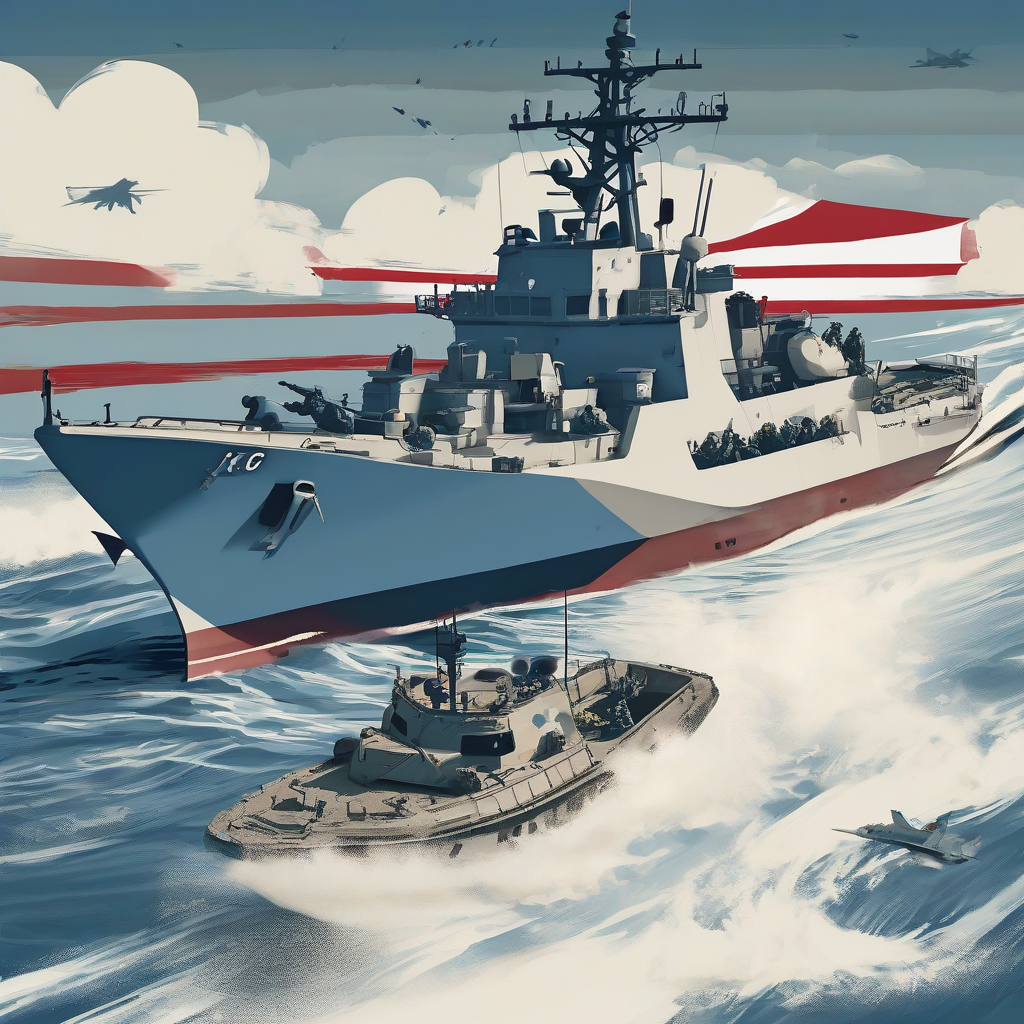
The US military has carried out a strike on a vessel in the eastern Pacific, killing two people, the latest in a series of operations aimed at disrupting narco-trafficking routes in the region.
According to a statement released by the US military, the strike was conducted after intelligence confirmed that the vessel was engaged in narco-trafficking operations and was transiting along known smuggling routes in the eastern Pacific. The military has been actively targeting suspected smuggling boats in the region since September, with this incident marking the latest in a series of over 30 strikes.
The US military has been working to combat the flow of illicit narcotics into the United States, with the eastern Pacific serving as a key transit route for smugglers. The region's vast expanse of ocean and lack of effective law enforcement in some areas make it an attractive route for those seeking to traffic narcotics.
The military's efforts to disrupt these operations have been ongoing, with a significant increase in strikes against suspected smuggling boats in recent months. The US military has been using a combination of intelligence gathering and kinetic strikes to target vessels suspected of being involved in narco-trafficking operations.
While the military has not released the identities of the two individuals killed in the strike, it is likely that they were involved in the narco-trafficking operations. The incident serves as a reminder of the risks and dangers associated with these types of operations.
The US military has faced criticism in the past for its handling of similar incidents, with some raising concerns about the potential for civilian casualties and the lack of transparency surrounding the strikes. However, the military maintains that its operations are conducted in accordance with international law and that all possible precautions are taken to minimize the risk of harm to civilians.
The incident is also likely to raise questions about the effectiveness of the US military's strategy in combating narco-trafficking operations. While the strikes may disrupt the flow of narcotics in the short term, they do not address the underlying issues driving the demand for these substances.
The US military's efforts to combat narco-trafficking operations in the eastern Pacific are part of a broader regional effort to address the issue. The US is working closely with partner nations in the region to share intelligence and coordinate efforts to disrupt the flow of narcotics.
As the situation continues to unfold, it remains to be seen what impact this incident will have on the broader effort to combat narco-trafficking operations in the region. One thing is clear, however: the US military will continue to play a key role in these efforts, using a combination of intelligence gathering and kinetic strikes to target suspected smuggling boats and disrupt the flow of illicit narcotics.
The US military's statement on the incident can be found on their website.
The US military has carried out a strike on a vessel in the eastern Pacific, killing two people, the latest in a series of operations aimed at disrupting narco-trafficking routes in the region.
According to a statement released by the US military, the strike was conducted after intelligence confirmed that the vessel was engaged in narco-trafficking operations and was transiting along known smuggling routes in the eastern Pacific. The military has been actively targeting suspected smuggling boats in the region since September, with this incident marking the latest in a series of over 30 strikes.
The US military has been working to combat the flow of illicit narcotics into the United States, with the eastern Pacific serving as a key transit route for smugglers. The region's vast expanse of ocean and lack of effective law enforcement in some areas make it an attractive route for those seeking to traffic narcotics.
The military's efforts to disrupt these operations have been ongoing, with a significant increase in strikes against suspected smuggling boats in recent months. The US military has been using a combination of intelligence gathering and kinetic strikes to target vessels suspected of being involved in narco-trafficking operations.
While the military has not released the identities of the two individuals killed in the strike, it is likely that they were involved in the narco-trafficking operations. The incident serves as a reminder of the risks and dangers associated with these types of operations.
The US military has faced criticism in the past for its handling of similar incidents, with some raising concerns about the potential for civilian casualties and the lack of transparency surrounding the strikes. However, the military maintains that its operations are conducted in accordance with international law and that all possible precautions are taken to minimize the risk of harm to civilians.
The incident is also likely to raise questions about the effectiveness of the US military's strategy in combating narco-trafficking operations. While the strikes may disrupt the flow of narcotics in the short term, they do not address the underlying issues driving the demand for these substances.
The US military's efforts to combat narco-trafficking operations in the eastern Pacific are part of a broader regional effort to address the issue. The US is working closely with partner nations in the region to share intelligence and coordinate efforts to disrupt the flow of narcotics.
As the situation continues to unfold, it remains to be seen what impact this incident will have on the broader effort to combat narco-trafficking operations in the region. One thing is clear, however: the US military will continue to play a key role in these efforts, using a combination of intelligence gathering and kinetic strikes to target suspected smuggling boats and disrupt the flow of illicit narcotics.
The US military's statement on the incident can be found on their website.