The recent immigration raids in Minneapolis have brought a new figure into the spotlight: Gregory Bovino, a senior US border patrol official. However, it's not his actions that have sparked controversy, but rather his attire. Bovino's distinctive greatcoat has been likened to a fascist aesthetic by some German commentators, prompting a debate about the symbolism of his clothing.
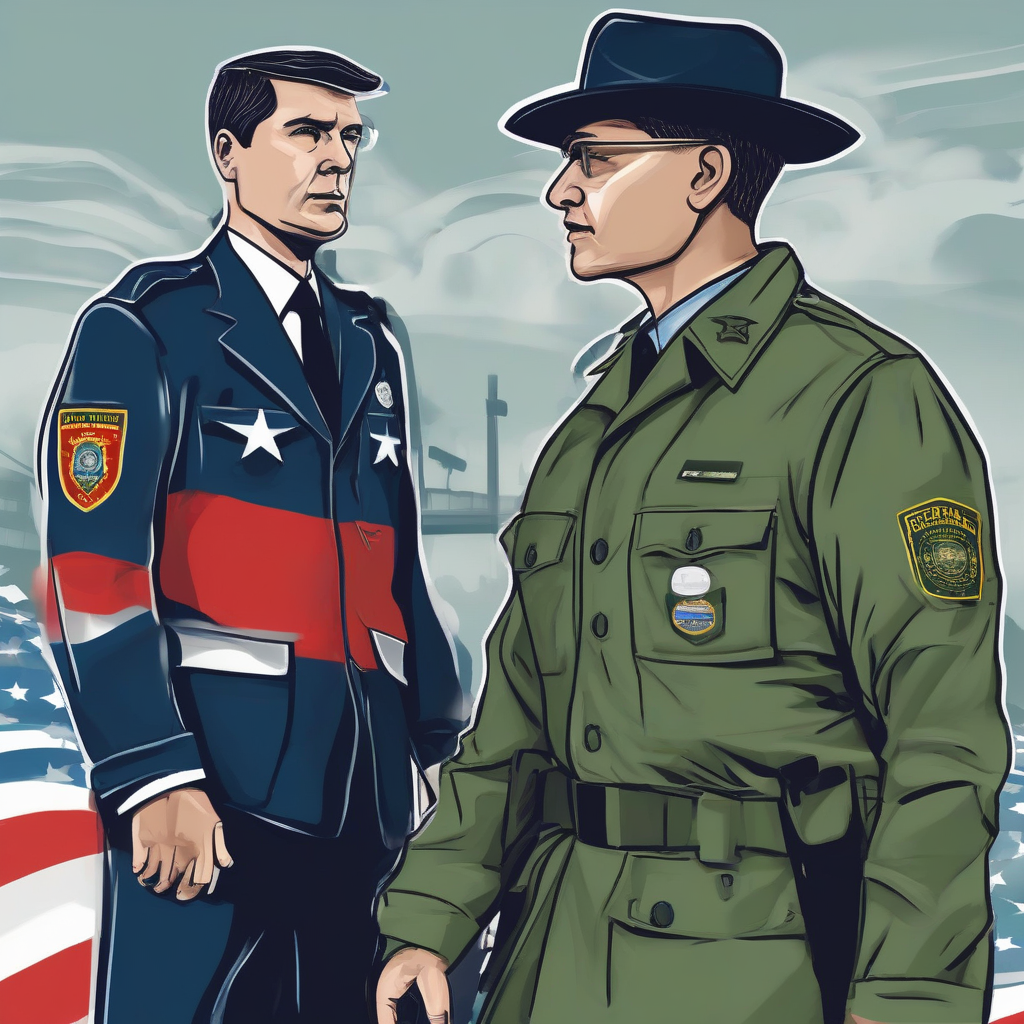
Bovino's coat, which is olive green and calf-length with brass buttons, has been a notable feature of his appearance during the raids. Unlike the fatigues and body armor worn by many of the federal agents, Bovino's coat has drawn attention for its unusual style. German media outlets have been quick to point out the similarities between Bovino's coat and the attire associated with fascist regimes.
The comparison is not entirely unfounded. The olive green color and brass buttons are reminiscent of the uniforms worn by Nazi officials during World War II. While it's impossible to know for certain whether Bovino intended to evoke this association, the resemblance is undeniable. As one German commentator noted, "The coat looks like something out of a fascist costume drama."
The controversy surrounding Bovino's coat has raised questions about the representation of authority figures in the US. In an era where symbolism and optics can be just as important as actions, it's surprising that Bovino's attire hasn't been more carefully considered. As a senior official, Bovino is a representative of the US government, and his clothing choices can be seen as a reflection of the values and ideals of the administration.
It's worth noting that Bovino's actions as a border patrol official have been the subject of controversy in the past. He has been involved in several high-profile immigration raids, and his aggressive tactics have been criticized by advocacy groups. While his coat may be a relatively minor issue in comparison, it's a reminder that the actions and appearance of authority figures can have a significant impact on public perception.
In response to the criticism, a spokesperson for the US Customs and Border Protection agency stated that Bovino's coat is a standard issue item and that he is not attempting to make any kind of statement with his attire. However, this explanation has done little to quell the controversy, with many continuing to question why Bovino chose to wear the coat in the first place.
As the debate surrounding Bovino's coat continues, it's clear that the issue is about more than just a piece of clothing. It's about the symbolism and representation of authority figures in the US, and the impact that their actions and appearance can have on the public. Whether or not Bovino intended to evoke a fascist aesthetic, the controversy surrounding his coat is a reminder that even the smallest details can have a significant impact on public perception.
Sources:
- [1] The Guardian: "Gregory Bovino's coat sparks controversy in German media"
The recent immigration raids in Minneapolis have brought a new figure into the spotlight: Gregory Bovino, a senior US border patrol official. However, it's not his actions that have sparked controversy, but rather his attire. Bovino's distinctive greatcoat has been likened to a fascist aesthetic by some German commentators, prompting a debate about the symbolism of his clothing.
Bovino's coat, which is olive green and calf-length with brass buttons, has been a notable feature of his appearance during the raids. Unlike the fatigues and body armor worn by many of the federal agents, Bovino's coat has drawn attention for its unusual style. German media outlets have been quick to point out the similarities between Bovino's coat and the attire associated with fascist regimes.
The comparison is not entirely unfounded. The olive green color and brass buttons are reminiscent of the uniforms worn by Nazi officials during World War II. While it's impossible to know for certain whether Bovino intended to evoke this association, the resemblance is undeniable. As one German commentator noted, "The coat looks like something out of a fascist costume drama."
The controversy surrounding Bovino's coat has raised questions about the representation of authority figures in the US. In an era where symbolism and optics can be just as important as actions, it's surprising that Bovino's attire hasn't been more carefully considered. As a senior official, Bovino is a representative of the US government, and his clothing choices can be seen as a reflection of the values and ideals of the administration.
It's worth noting that Bovino's actions as a border patrol official have been the subject of controversy in the past. He has been involved in several high-profile immigration raids, and his aggressive tactics have been criticized by advocacy groups. While his coat may be a relatively minor issue in comparison, it's a reminder that the actions and appearance of authority figures can have a significant impact on public perception.
In response to the criticism, a spokesperson for the US Customs and Border Protection agency stated that Bovino's coat is a standard issue item and that he is not attempting to make any kind of statement with his attire. However, this explanation has done little to quell the controversy, with many continuing to question why Bovino chose to wear the coat in the first place.
As the debate surrounding Bovino's coat continues, it's clear that the issue is about more than just a piece of clothing. It's about the symbolism and representation of authority figures in the US, and the impact that their actions and appearance can have on the public. Whether or not Bovino intended to evoke a fascist aesthetic, the controversy surrounding his coat is a reminder that even the smallest details can have a significant impact on public perception.
Sources:
- [1] The Guardian: "Gregory Bovino's coat sparks controversy in German media"