Skip to article
Politico Wire
Emergent Story mode

Now reading

Overview

1 / 5 4 min 1 sources Single Outlet
Sources

Story mode

Politico WireSingle OutletBlindspot: Single outlet risk

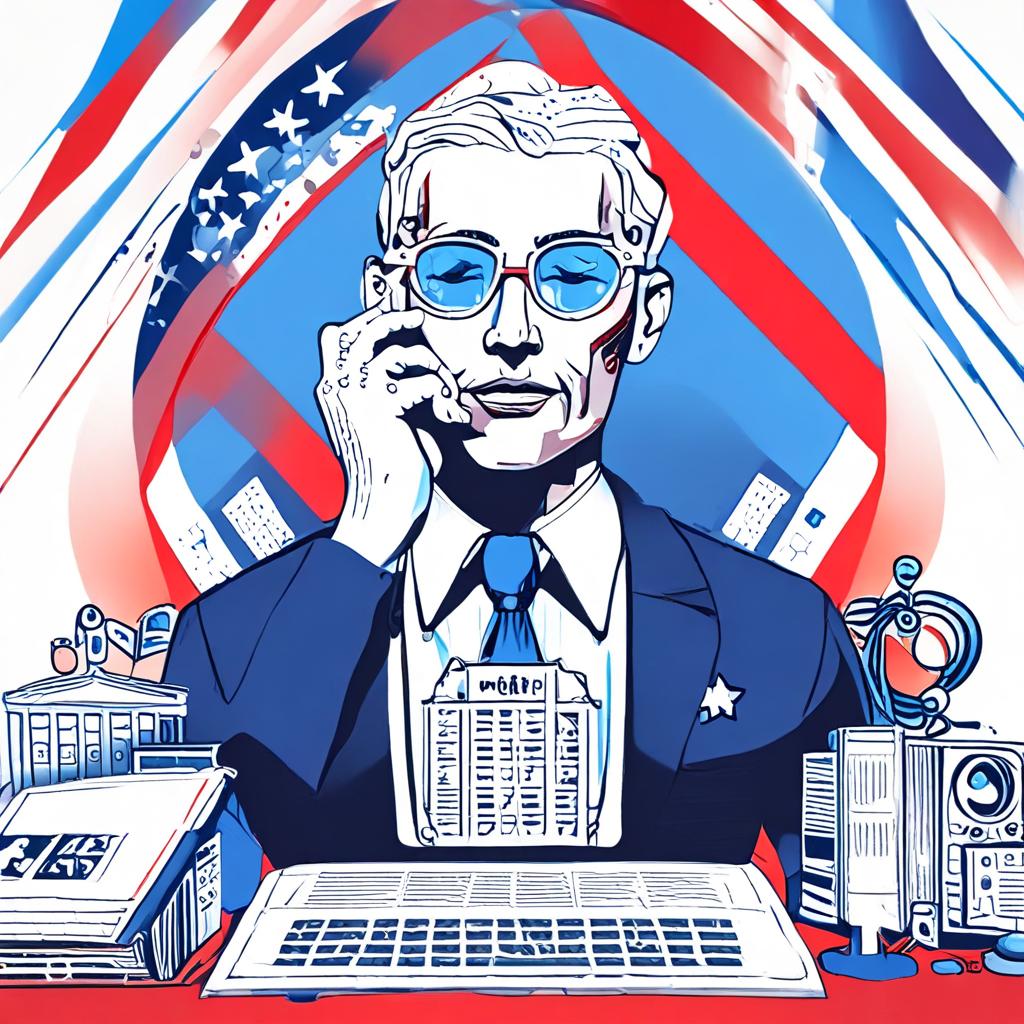
New Forms of Censorship: The Implications of the US TikTok Takeover

US-led consortium has taken control of TikTok's US operations. Concerns raised about potential censorship and suppression of content critical of American politicians. Paolo Gerbaudo argues that censorship in the digital age is no longer about banning speech but rather about the reach and visibility of content.

Read
4 min
Sources
1 source
Domains
1

The shift in control over TikTok's operations to a US-led consortium raises concerns about potential censorship and suppression of content critical of American politicians. CONTENT: The recent takeover of TikTok's US...

Story state
Structured developing story
Evidence
Evidence mapped
Coverage
0 reporting sections
Next focus
What comes next

Continue in the field

Focused storyNearby context

Open the live map from this story.

Carry this article into the map as a focused origin point, then widen into nearby reporting.

Leave the article stream and continue in live map mode with this story pinned as your origin point.

  • Open the map already centered on this story.
  • See what nearby reporting is clustering around the same geography.
  • Jump back to the article whenever you want the original thread.
Open live map mode

Source bench

Blindspot: Single outlet risk

Single Outlet

1 cited references across 1 linked domains.

References
1
Domains
1

1 cited reference across 1 linked domain. Blindspot watch: Single outlet risk.

  1. Source 1 · theguardian.com

    What the US TikTok takeover is already revealing about new forms of censorship | Paolo Gerbaudo

Open source workbench

Keep reporting

ContradictionsEvent arcNarrative drift

Open the deeper evidence boards.

Take the mobile reel into contradictions, event arcs, narrative drift, and the full source workspace.

  • Scan the cited sources and coverage bench first.
  • Keep a blindspot watch on Single outlet risk.
  • Move from the summary into the full evidence boards.
Open evidence boards

Stay in the reporting trail

Open the evidence boards, source bench, and related analysis.

Jump from the app-style read into the deeper workbench without losing your place in the story.

Open source workbenchBack to Politico Wire
🏛️ Politico Wire

New Forms of Censorship: The Implications of the US TikTok Takeover

US-led consortium has taken control of TikTok's US operations. Concerns raised about potential censorship and suppression of content critical of American politicians. Paolo Gerbaudo argues that censorship in the digital age is no longer about banning speech but rather about the reach and visibility of content.

Friday, January 30, 2026 • 4 min read • 1 source reference

  • 4 min read
  • 1 source reference

The shift in control over TikTok's operations to a US-led consortium raises concerns about potential censorship and suppression of content critical of American politicians.

CONTENT:

The recent takeover of TikTok's US operations by a consortium of American investors, including Oracle, has sparked discussions about the potential implications for freedom of speech and censorship in the digital age. According to Paolo Gerbaudo, a senior researcher at Complutense University in Madrid, the focus on censorship should shift from the ability to speak to the visibility of content.

In an article for The Guardian, Gerbaudo argues that censorship in the digital age is no longer about banning speech but rather about the reach and visibility of content under specific algorithms. This issue is accentuated by the US takeover of TikTok, which has led many users to worry about potential manipulation of the platform's algorithm to suppress critical voices.

The arrangement, presented as a means of complying with US legislation and protecting user data, has raised concerns that Donald Trump and his allies may use this newfound control to silence voices critical of them. TikTok, which has over 200 million users in the US, has become a significant platform for political discourse. The fear is that algorithmic control could be used to interfere with political discussions by suppressing content, similar to the alleged interference from China that led to the takeover in the first place.

The evolution of censorship in the digital age is a complex issue, and the US TikTok takeover serves as a reminder of the potential risks and consequences. While the focus on data protection and preventing political interference is essential, it is crucial to consider the potential for algorithmic censorship and its impact on the visibility and reach of content.

SOURCE 1:

It’s not what we can or cannot say that matters – rather, it’s whether what we say can get any visibility at all under the US-specific algorithm

We tend to think of censorship as the direct suppression of speech. We conjure images of mouths taped shut, courts seizing books and films, and journalists or activists thrown in jail to silence their voices. But what if, in a digital era governed by invisible yet highly consequential algorithms, censorship no longer revolved around the ability to speak, but rather around the visibility of content, its effective “reach”?

The launch of TikTok’s new US-specific algorithm underscores the urgency of this risk. This week, control over the platform’s operations has shifted to the TikTok USDS joint venture led by a consortium of investors that includes US big tech firms such as cloud-computing company Oracle, with the Chinese parent company ByteDance retaining a 19.9% stake. This arrangement is presented as a means of complying with US legislation introduced under former president Joe Biden, with the aim of protecting user data and preventing political interference from China. Yet many of TikTok’s 200 million US-based users now fear that Donald Trump and his allies may use algorithmic control to do precisely what China was accused of doing: interfering with political discussion by suppressing voices critical of Trump and his international allies.

Paolo Gerbaudo is a senior researcher at the faculty of political science and sociology of Complutense University in Madrid and the author of The Great Recoil

Continue reading...

As we move forward in the digital age, it is crucial to recognize the evolving nature of censorship and the potential consequences of algorithmic control. The US TikTok takeover serves as a significant example of this issue, highlighting the importance of maintaining a nuanced understanding of censorship and the need to protect the visibility and reach of content in the digital realm.

The shift in control over TikTok's operations to a US-led consortium raises concerns about potential censorship and suppression of content critical of American politicians.

CONTENT:

The recent takeover of TikTok's US operations by a consortium of American investors, including Oracle, has sparked discussions about the potential implications for freedom of speech and censorship in the digital age. According to Paolo Gerbaudo, a senior researcher at Complutense University in Madrid, the focus on censorship should shift from the ability to speak to the visibility of content.

In an article for The Guardian, Gerbaudo argues that censorship in the digital age is no longer about banning speech but rather about the reach and visibility of content under specific algorithms. This issue is accentuated by the US takeover of TikTok, which has led many users to worry about potential manipulation of the platform's algorithm to suppress critical voices.

The arrangement, presented as a means of complying with US legislation and protecting user data, has raised concerns that Donald Trump and his allies may use this newfound control to silence voices critical of them. TikTok, which has over 200 million users in the US, has become a significant platform for political discourse. The fear is that algorithmic control could be used to interfere with political discussions by suppressing content, similar to the alleged interference from China that led to the takeover in the first place.

The evolution of censorship in the digital age is a complex issue, and the US TikTok takeover serves as a reminder of the potential risks and consequences. While the focus on data protection and preventing political interference is essential, it is crucial to consider the potential for algorithmic censorship and its impact on the visibility and reach of content.

SOURCE 1:

It’s not what we can or cannot say that matters – rather, it’s whether what we say can get any visibility at all under the US-specific algorithm

We tend to think of censorship as the direct suppression of speech. We conjure images of mouths taped shut, courts seizing books and films, and journalists or activists thrown in jail to silence their voices. But what if, in a digital era governed by invisible yet highly consequential algorithms, censorship no longer revolved around the ability to speak, but rather around the visibility of content, its effective “reach”?

The launch of TikTok’s new US-specific algorithm underscores the urgency of this risk. This week, control over the platform’s operations has shifted to the TikTok USDS joint venture led by a consortium of investors that includes US big tech firms such as cloud-computing company Oracle, with the Chinese parent company ByteDance retaining a 19.9% stake. This arrangement is presented as a means of complying with US legislation introduced under former president Joe Biden, with the aim of protecting user data and preventing political interference from China. Yet many of TikTok’s 200 million US-based users now fear that Donald Trump and his allies may use algorithmic control to do precisely what China was accused of doing: interfering with political discussion by suppressing voices critical of Trump and his international allies.

Paolo Gerbaudo is a senior researcher at the faculty of political science and sociology of Complutense University in Madrid and the author of The Great Recoil

Continue reading...

As we move forward in the digital age, it is crucial to recognize the evolving nature of censorship and the potential consequences of algorithmic control. The US TikTok takeover serves as a significant example of this issue, highlighting the importance of maintaining a nuanced understanding of censorship and the need to protect the visibility and reach of content in the digital realm.

Coverage tools

Sources, context, and related analysis

Visual reasoning

How this briefing, its evidence bench, and the next verification path fit together

A server-rendered QWIKR board that keeps the article legible while showing the logic of the current read, the attached source bench, and the next high-value reporting move.

Cited sources

1

Reasoning nodes

4

Routed paths

3

Next checks

1

Reasoning map

From briefing to evidence to next verification move

SSR · qwikr-flow

Story geography

Where this reporting sits on the map

Use the map-native view to understand what is happening near this story and what adjacent reporting is clustering around the same geography.

Geo context
0.00° N · 0.00° E Mapped story

This story is geotagged, but the nearby reporting bench is still warming up.

Continue in live map mode

Coverage at a Glance

1 source

Compare coverage, inspect perspective spread, and open primary references side by side.

Linked Sources

1

Distinct Outlets

1

Viewpoint Center

Left

Outlet Diversity

Very Narrow
1 source with viewpoint mapping 1 higher-credibility source
Coverage is still narrow. Treat this as an early map and cross-check additional primary reporting.

Coverage Gaps to Watch

  • Single-outlet dependency

    Coverage currently traces back to one domain. Add independent outlets before drawing firm conclusions.

Read Across More Angles

Source-by-Source View

Search by outlet or domain, then filter by credibility, viewpoint mapping, or the most-cited lane.

Showing 1 of 1 cited sources with links.

Left / Lean Left (1)

The Guardian

What the US TikTok takeover is already revealing about new forms of censorship | Paolo Gerbaudo

Open

theguardian.com · Jan 30, 2026

Left High Dossier
Fact-checked Real-time synthesis Bias-reduced

This article was synthesized by Fulqrum AI from 1 trusted sources, combining multiple perspectives into a comprehensive summary. All source references are listed below.