Skip to article
Politico Wire
Emergent Story mode

Now reading

Overview

1 / 5 3 min 1 sources Single Outlet
Sources

Story mode

Politico WireSingle OutletBlindspot: Single outlet risk

Minneapolis Federal Court Hears Argument on Constitutionality of Trump's ICE Deployment

Minnesota and cities of Minneapolis and St. Paul are suing the U.S. government. They say the deployment of 3,000 ICE agents to Minnesota is an illegal occupation of the state. The case centers on the 10th amendment, which reserves powers to the states.

Read
3 min
Sources
1 source
Domains
1

CONTENT: In a historic legal proceeding, a federal court in Minneapolis listened intently on Monday to arguments surrounding the constitutionality of the Trump administration's deployment of 3,000 Immigration and...

Story state
Structured developing story
Evidence
Evidence mapped
Coverage
0 reporting sections
Next focus
What comes next

Continue in the field

Focused storyNearby context

Open the live map from this story.

Carry this article into the map as a focused origin point, then widen into nearby reporting.

Leave the article stream and continue in live map mode with this story pinned as your origin point.

  • Open the map already centered on this story.
  • See what nearby reporting is clustering around the same geography.
  • Jump back to the article whenever you want the original thread.
Open live map mode

Source bench

Blindspot: Single outlet risk

Single Outlet

1 cited references across 1 linked domains.

References
1
Domains
1

1 cited reference across 1 linked domain. Blindspot watch: Single outlet risk.

  1. Source 1 · theguardian.com

    Minneapolis court considers whether Trump’s deployment of ICE agents violates constitution

Open source workbench

Keep reporting

ContradictionsEvent arcNarrative drift

Open the deeper evidence boards.

Take the mobile reel into contradictions, event arcs, narrative drift, and the full source workspace.

  • Scan the cited sources and coverage bench first.
  • Keep a blindspot watch on Single outlet risk.
  • Move from the summary into the full evidence boards.
Open evidence boards

Stay in the reporting trail

Open the evidence boards, source bench, and related analysis.

Jump from the app-style read into the deeper workbench without losing your place in the story.

Open source workbenchBack to Politico Wire
🏛️ Politico Wire

Minneapolis Federal Court Hears Argument on Constitutionality of Trump's ICE Deployment

Minnesota and cities of Minneapolis and St. Paul are suing the U.S. government. They say the deployment of 3,000 ICE agents to Minnesota is an illegal occupation of the state. The case centers on the 10th amendment, which reserves powers to the states.

Monday, January 26, 2026 • 3 min read • 1 source reference

  • 3 min read
  • 1 source reference

CONTENT:

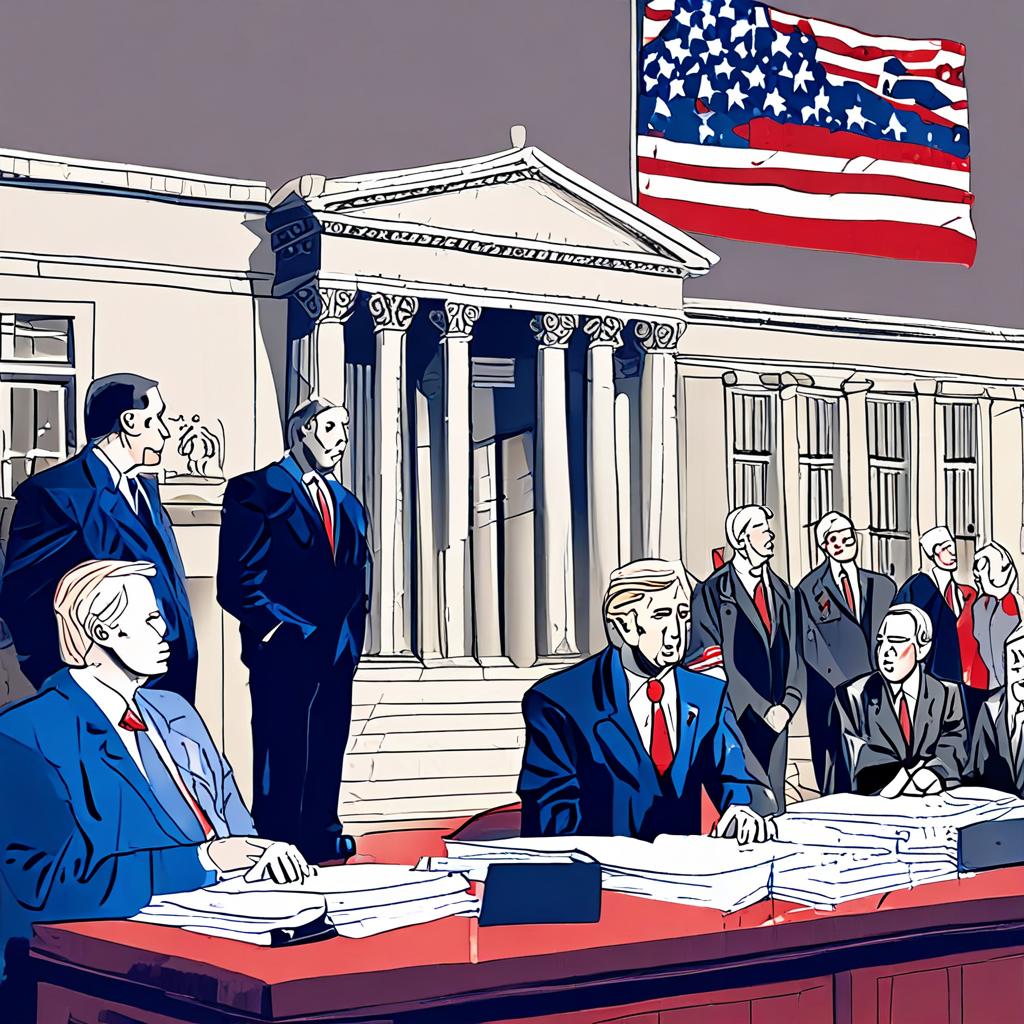
In a historic legal proceeding, a federal court in Minneapolis listened intently on Monday to arguments surrounding the constitutionality of the Trump administration's deployment of 3,000 Immigration and Customs Enforcement (ICE) agents to Minnesota. The extraordinary hearing, which could set a significant legal precedent, centers on the 10th amendment, which reserves to the states all powers not explicitly granted to the federal government in the U.S. constitution.

Lawyers for the state of Minnesota and the cities of Minneapolis and St. Paul claimed in their suit that Operation Metro Surge, as the deployment is known, has become so intrusive and dangerous that it amounts to an illegal occupation of the state. According to their argument, the federal government's actions represent an overreach of power and a violation of states' rights.

The Trump administration's decision to deploy the agents to Minnesota came in response to an increase in immigration-related crimes in the area. However, critics argue that the surge has gone beyond enforcement and has instead resulted in widespread fear and disruption within the community. They point to instances of ICE agents conducting raids in public areas, detaining individuals without warrants, and even arresting U.S. citizens mistakenly.

The legal question at hand is complex and multifaceted. The 10th amendment, which was ratified in 1791, states, "The powers not delegated to the federal government, nor prohibited by it to the states, are reserved to the states or the people." In this case, lawyers for Minnesota and the cities are arguing that the federal government's actions have overstepped these boundaries.

The implications of this case reach far beyond Minnesota. If the court rules in favor of the plaintiffs, it could set a precedent that limits the federal government's ability to deploy law enforcement agents to states without their consent. Conversely, a ruling in favor of the Trump administration could strengthen the federal government's hand in enforcing immigration laws, potentially leading to further tensions between the federal and state governments.

The hearing, which is expected to last several days, attracted significant attention from both sides of the political aisle. Supporters of the Trump administration's actions argue that the federal government has a responsibility to protect its citizens and enforce immigration laws, while critics argue that the deployment is an affront to states' rights and civil liberties.

As the legal proceedings unfold, the eyes of the nation are on Minneapolis. The outcome of this case could have far-reaching implications for the balance of power between the federal and state governments and the way that immigration enforcement is carried out in the United States.

Sources:

CONTENT:

In a historic legal proceeding, a federal court in Minneapolis listened intently on Monday to arguments surrounding the constitutionality of the Trump administration's deployment of 3,000 Immigration and Customs Enforcement (ICE) agents to Minnesota. The extraordinary hearing, which could set a significant legal precedent, centers on the 10th amendment, which reserves to the states all powers not explicitly granted to the federal government in the U.S. constitution.

Lawyers for the state of Minnesota and the cities of Minneapolis and St. Paul claimed in their suit that Operation Metro Surge, as the deployment is known, has become so intrusive and dangerous that it amounts to an illegal occupation of the state. According to their argument, the federal government's actions represent an overreach of power and a violation of states' rights.

The Trump administration's decision to deploy the agents to Minnesota came in response to an increase in immigration-related crimes in the area. However, critics argue that the surge has gone beyond enforcement and has instead resulted in widespread fear and disruption within the community. They point to instances of ICE agents conducting raids in public areas, detaining individuals without warrants, and even arresting U.S. citizens mistakenly.

The legal question at hand is complex and multifaceted. The 10th amendment, which was ratified in 1791, states, "The powers not delegated to the federal government, nor prohibited by it to the states, are reserved to the states or the people." In this case, lawyers for Minnesota and the cities are arguing that the federal government's actions have overstepped these boundaries.

The implications of this case reach far beyond Minnesota. If the court rules in favor of the plaintiffs, it could set a precedent that limits the federal government's ability to deploy law enforcement agents to states without their consent. Conversely, a ruling in favor of the Trump administration could strengthen the federal government's hand in enforcing immigration laws, potentially leading to further tensions between the federal and state governments.

The hearing, which is expected to last several days, attracted significant attention from both sides of the political aisle. Supporters of the Trump administration's actions argue that the federal government has a responsibility to protect its citizens and enforce immigration laws, while critics argue that the deployment is an affront to states' rights and civil liberties.

As the legal proceedings unfold, the eyes of the nation are on Minneapolis. The outcome of this case could have far-reaching implications for the balance of power between the federal and state governments and the way that immigration enforcement is carried out in the United States.

Sources:

Coverage tools

Sources, context, and related analysis

Visual reasoning

How this briefing, its evidence bench, and the next verification path fit together

A server-rendered QWIKR board that keeps the article legible while showing the logic of the current read, the attached source bench, and the next high-value reporting move.

Cited sources

1

Reasoning nodes

4

Routed paths

3

Next checks

1

Reasoning map

From briefing to evidence to next verification move

SSR · qwikr-flow

Story geography

Where this reporting sits on the map

Use the map-native view to understand what is happening near this story and what adjacent reporting is clustering around the same geography.

Geo context
0.00° N · 0.00° E Mapped story

This story is geotagged, but the nearby reporting bench is still warming up.

Continue in live map mode

Coverage at a Glance

1 source

Compare coverage, inspect perspective spread, and open primary references side by side.

Linked Sources

1

Distinct Outlets

1

Viewpoint Center

Left

Outlet Diversity

Very Narrow
1 source with viewpoint mapping 1 higher-credibility source
Coverage is still narrow. Treat this as an early map and cross-check additional primary reporting.

Coverage Gaps to Watch

  • Single-outlet dependency

    Coverage currently traces back to one domain. Add independent outlets before drawing firm conclusions.

Read Across More Angles

Source-by-Source View

Search by outlet or domain, then filter by credibility, viewpoint mapping, or the most-cited lane.

Showing 1 of 1 cited sources with links.

Left / Lean Left (1)

The Guardian

Minneapolis court considers whether Trump’s deployment of ICE agents violates constitution

Open

theguardian.com · Jan 26, 2026

Left High Dossier
Fact-checked Real-time synthesis Bias-reduced

This article was synthesized by Fulqrum AI from 1 trusted sources, combining multiple perspectives into a comprehensive summary. All source references are listed below.