CONTENT:
Minneapolis, Minnesota, has become the epicenter of a significant crisis as the US Immigration and Customs Enforcement (ICE) operation in the city has spurred protests, two fatal shootings, and threatened the United States' duties to co-host the 2026 World Cup. The controversy began in December 2025 when ICE agents were sent to the Minneapolis area for the largest immigration operation in US history, resulting in 3,000 arrests and two fatal shootings.
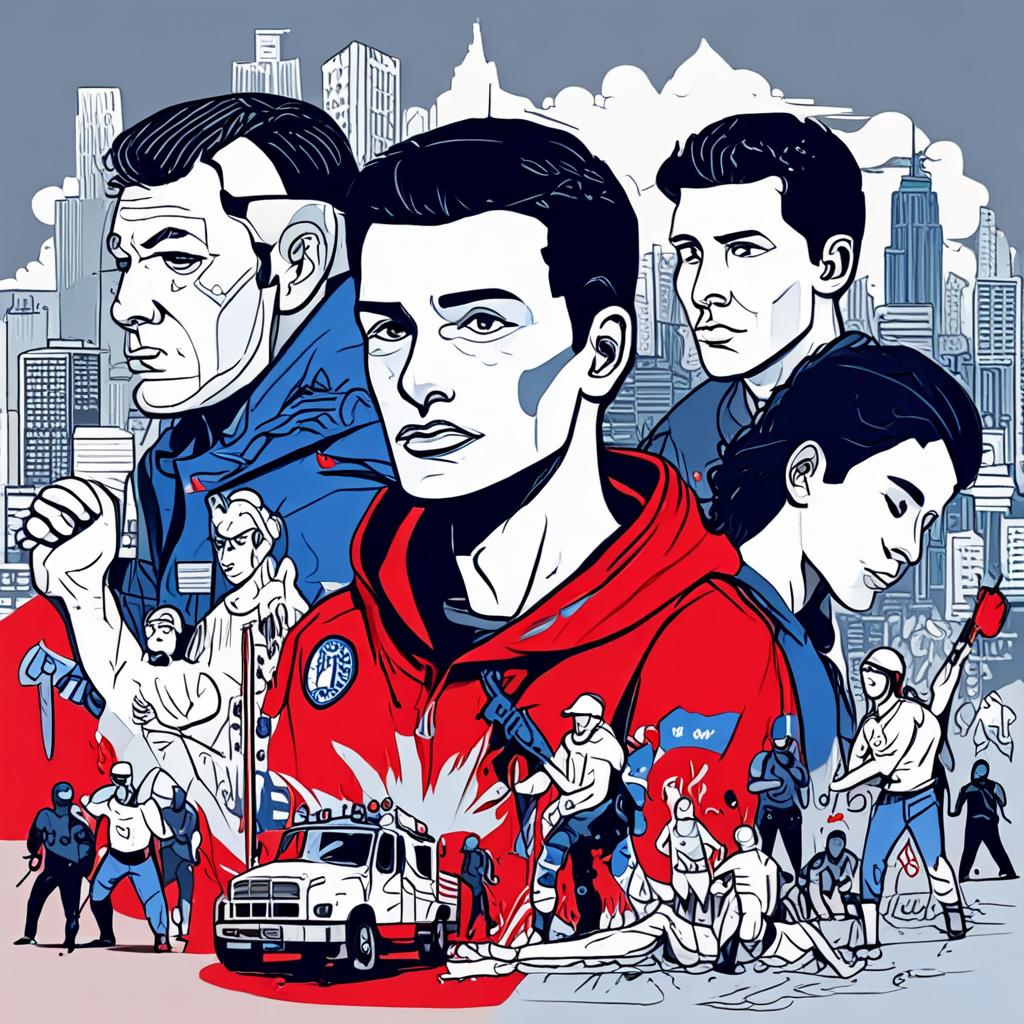
Amid this turmoil, Minneapolis residents, including teachers, store clerks, Uber drivers, charity workers, and clergymen, have united against the perceived government siege on their city (The Guardian, 2026). The sharpest test of American democracy under Trump's second term, this operation has been met with widespread outrage and resistance, both locally and internationally.
Paul Allen, a veteran sports radio broadcaster in Minneapolis, fueled the controversy further when he invoked a conservative conspiracy theory during a broadcast, insinuating that protesters against ICE's deadly actions were being paid to do so (The Guardian, 2026). Allen's comments came just two weeks after an ICE officer shot and killed Renee Nicole Good as she drove away from an encounter in Minneapolis, igniting the protests (The Guardian, 2026).
The potential loss of the 2026 World Cup hosting duties adds another layer of complexity to the situation. The United States had been eager to host the tournament for over a decade and a half, with the desire only growing after failing to secure the 2018 and 2022 World Cups (The Guardian, 2026). With hosting rights for 2026 later secured alongside Canada and Mexico, the US soccer scene was prepared to showcase the sport's growth and impact on American culture.
However, the ongoing crisis in Minneapolis has led to calls for the removal of the United States as co-host of the 2026 World Cup. Alexander Abnos, in an op-ed for The Guardian, argued that removing the US as co-host would be both sad and entirely justified due to the safety concerns arising from federal violence on the streets (The Guardian, 2026).
Despite the challenges, Minneapolis residents continue to resist and stand up for their community, reflecting the broader implications of the crisis for American democracy. As the situation unfolds, it remains to be seen how the ICE operation will be resolved and what impact it will have on the United States' role as a co-host for the 2026 World Cup.
Sources:
The Guardian. (2026, January 27). Minneapolis sports commentator apologizes for paid protesters comment. Retrieved from https://www.theguardian.com/us-news/2026/jan/27/minneapolis-sports-commentator-renee-good-apology
The Guardian. (2026, January 27). Removing US as World Cup host would be eminently sad – and entirely justified. Retrieved from https://www.theguardian.com/football/2026/jan/27/us-world-cup-hosting-duties-taken-away
The Guardian. (2026, January 27). A week of ICE and outrage in Minneapolis: the turmoil of the days leading up to Alex Pretti’s death. Retrieved from https://www.theguardian.com/us-news/2026/jan/27/a-week-of-ice-and-outrage-in-minneapolis-the-turmoil-of-the-days-leading-up-to-alex-prettis-death
CONTENT:
Minneapolis, Minnesota, has become the epicenter of a significant crisis as the US Immigration and Customs Enforcement (ICE) operation in the city has spurred protests, two fatal shootings, and threatened the United States' duties to co-host the 2026 World Cup. The controversy began in December 2025 when ICE agents were sent to the Minneapolis area for the largest immigration operation in US history, resulting in 3,000 arrests and two fatal shootings.
Amid this turmoil, Minneapolis residents, including teachers, store clerks, Uber drivers, charity workers, and clergymen, have united against the perceived government siege on their city (The Guardian, 2026). The sharpest test of American democracy under Trump's second term, this operation has been met with widespread outrage and resistance, both locally and internationally.
Paul Allen, a veteran sports radio broadcaster in Minneapolis, fueled the controversy further when he invoked a conservative conspiracy theory during a broadcast, insinuating that protesters against ICE's deadly actions were being paid to do so (The Guardian, 2026). Allen's comments came just two weeks after an ICE officer shot and killed Renee Nicole Good as she drove away from an encounter in Minneapolis, igniting the protests (The Guardian, 2026).
The potential loss of the 2026 World Cup hosting duties adds another layer of complexity to the situation. The United States had been eager to host the tournament for over a decade and a half, with the desire only growing after failing to secure the 2018 and 2022 World Cups (The Guardian, 2026). With hosting rights for 2026 later secured alongside Canada and Mexico, the US soccer scene was prepared to showcase the sport's growth and impact on American culture.
However, the ongoing crisis in Minneapolis has led to calls for the removal of the United States as co-host of the 2026 World Cup. Alexander Abnos, in an op-ed for The Guardian, argued that removing the US as co-host would be both sad and entirely justified due to the safety concerns arising from federal violence on the streets (The Guardian, 2026).
Despite the challenges, Minneapolis residents continue to resist and stand up for their community, reflecting the broader implications of the crisis for American democracy. As the situation unfolds, it remains to be seen how the ICE operation will be resolved and what impact it will have on the United States' role as a co-host for the 2026 World Cup.
Sources:
The Guardian. (2026, January 27). Minneapolis sports commentator apologizes for paid protesters comment. Retrieved from https://www.theguardian.com/us-news/2026/jan/27/minneapolis-sports-commentator-renee-good-apology
The Guardian. (2026, January 27). Removing US as World Cup host would be eminently sad – and entirely justified. Retrieved from https://www.theguardian.com/football/2026/jan/27/us-world-cup-hosting-duties-taken-away
The Guardian. (2026, January 27). A week of ICE and outrage in Minneapolis: the turmoil of the days leading up to Alex Pretti’s death. Retrieved from https://www.theguardian.com/us-news/2026/jan/27/a-week-of-ice-and-outrage-in-minneapolis-the-turmoil-of-the-days-leading-up-to-alex-prettis-death