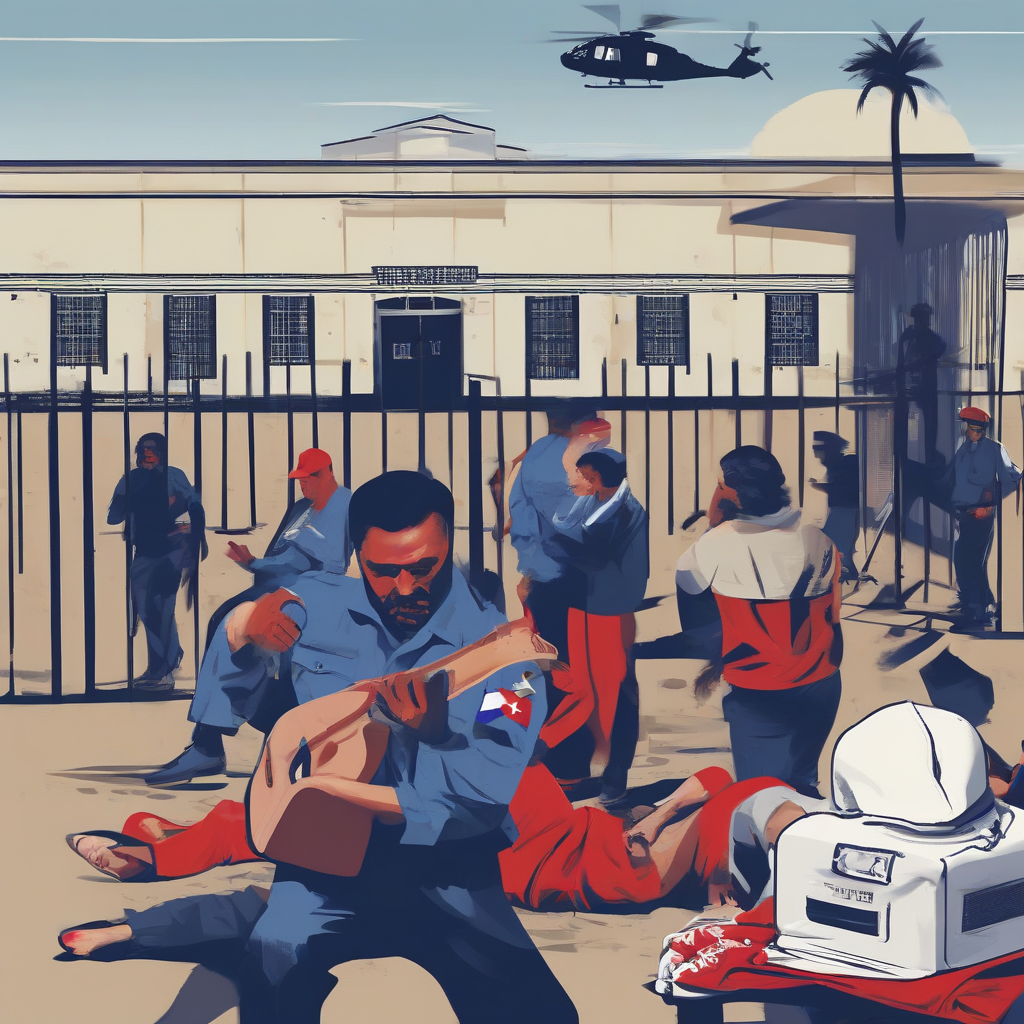
The death of a Cuban migrant in a Texas immigration detention facility has been officially classified as a homicide, according to an autopsy report released by the El Paso county medical examiner's office. Geraldo Lunas Campos, 55, died from "asphyxia due to neck and torso compression," as stated in the report.
The incident has sparked concerns about the treatment of migrants in US detention facilities, which have been criticized for poor living conditions and inadequate medical care. The autopsy report's conclusion that Campos' death was a homicide suggests that his death may have been caused by the actions of another person, rather than natural causes or an accident.
According to Adam Gonzalez, a deputy medical examiner, the autopsy report concluded that Campos died from asphyxia due to neck and torso compression. This type of injury is often associated with physical restraint or compression of the neck and torso, which can lead to difficulty breathing and ultimately, death.
The incident occurred at a Texas immigration detention facility, which is operated by US Immigration and Customs Enforcement (ICE). The facility has been the subject of criticism in the past for its treatment of migrants, including allegations of poor living conditions and inadequate medical care.
The classification of Campos' death as a homicide raises questions about the circumstances surrounding his death and whether it was preventable. The incident is likely to be investigated further by ICE and other authorities to determine the cause of death and whether any policies or procedures were violated.
The death of Geraldo Lunas Campos is not an isolated incident. There have been numerous reports of migrant deaths in US detention facilities in recent years, many of which have been attributed to poor medical care or inadequate living conditions. These incidents have sparked widespread criticism of the US immigration system and calls for greater oversight and accountability.
In response to the incident, ICE released a statement expressing its commitment to ensuring the safety and well-being of migrants in its custody. However, critics argue that the agency has not done enough to address the systemic issues that contribute to these types of incidents.
The classification of Campos' death as a homicide is a significant development in the ongoing debate about the treatment of migrants in US detention facilities. It highlights the need for greater transparency and accountability in the immigration system and underscores the importance of ensuring that migrants are treated with dignity and respect.
In the wake of this incident, there are likely to be calls for greater oversight and reform of the US immigration system. This may include increased funding for medical care and other services in detention facilities, as well as greater accountability for incidents of abuse or neglect.
Ultimately, the death of Geraldo Lunas Campos serves as a reminder of the human cost of the US immigration system and the need for greater compassion and understanding in our treatment of migrants. As the investigation into his death continues, it is essential that policymakers and the public remain vigilant in their efforts to ensure that migrants are treated with dignity and respect.
The death of a Cuban migrant in a Texas immigration detention facility has been officially classified as a homicide, according to an autopsy report released by the El Paso county medical examiner's office. Geraldo Lunas Campos, 55, died from "asphyxia due to neck and torso compression," as stated in the report.
The incident has sparked concerns about the treatment of migrants in US detention facilities, which have been criticized for poor living conditions and inadequate medical care. The autopsy report's conclusion that Campos' death was a homicide suggests that his death may have been caused by the actions of another person, rather than natural causes or an accident.
According to Adam Gonzalez, a deputy medical examiner, the autopsy report concluded that Campos died from asphyxia due to neck and torso compression. This type of injury is often associated with physical restraint or compression of the neck and torso, which can lead to difficulty breathing and ultimately, death.
The incident occurred at a Texas immigration detention facility, which is operated by US Immigration and Customs Enforcement (ICE). The facility has been the subject of criticism in the past for its treatment of migrants, including allegations of poor living conditions and inadequate medical care.
The classification of Campos' death as a homicide raises questions about the circumstances surrounding his death and whether it was preventable. The incident is likely to be investigated further by ICE and other authorities to determine the cause of death and whether any policies or procedures were violated.
The death of Geraldo Lunas Campos is not an isolated incident. There have been numerous reports of migrant deaths in US detention facilities in recent years, many of which have been attributed to poor medical care or inadequate living conditions. These incidents have sparked widespread criticism of the US immigration system and calls for greater oversight and accountability.
In response to the incident, ICE released a statement expressing its commitment to ensuring the safety and well-being of migrants in its custody. However, critics argue that the agency has not done enough to address the systemic issues that contribute to these types of incidents.
The classification of Campos' death as a homicide is a significant development in the ongoing debate about the treatment of migrants in US detention facilities. It highlights the need for greater transparency and accountability in the immigration system and underscores the importance of ensuring that migrants are treated with dignity and respect.
In the wake of this incident, there are likely to be calls for greater oversight and reform of the US immigration system. This may include increased funding for medical care and other services in detention facilities, as well as greater accountability for incidents of abuse or neglect.
Ultimately, the death of Geraldo Lunas Campos serves as a reminder of the human cost of the US immigration system and the need for greater compassion and understanding in our treatment of migrants. As the investigation into his death continues, it is essential that policymakers and the public remain vigilant in their efforts to ensure that migrants are treated with dignity and respect.