Skip to article
AI Pulse
Emergent Story mode

Now reading

Overview

1 / 5 2 min 1 sources Single Outlet
Sources

Story mode

AI PulseSingle OutletBlindspot: Single outlet risk

Record Freight Rates Attract New Russian Oil Traders with Nearly New Tankers

The Russian oil trade has experienced a significant uptick in activity as high freight rates and lowered oil prices have lured more shipping companies into the market. Some companies are employing nearly new tankers to transport crude oil, taking advantage of the market conditions and reduced risk of violating export restrictions.

Read
2 min
Sources
1 source
Domains
1

The Russian oil trade has experienced a significant uptick in activity as high freight rates and lowered oil prices have lured more shipping companies into the market. According to recent reports, some of these...

Story state
Structured developing story
Evidence
Evidence mapped
Coverage
0 reporting sections
Next focus
What comes next

Continue in the field

Focused storyNearby context

Open the live map from this story.

Carry this article into the map as a focused origin point, then widen into nearby reporting.

Leave the article stream and continue in live map mode with this story pinned as your origin point.

  • Open the map already centered on this story.
  • See what nearby reporting is clustering around the same geography.
  • Jump back to the article whenever you want the original thread.
Open live map mode

Source bench

Blindspot: Single outlet risk

Single Outlet

1 cited references across 1 linked domains.

References
1
Domains
1

1 cited reference across 1 linked domain. Blindspot watch: Single outlet risk.

  1. Source 1 · bloomberg.com

    New Tankers Join Russian Oil Trade as Rates Jump

Open source workbench

Keep reporting

ContradictionsEvent arcNarrative drift

Open the deeper evidence boards.

Take the mobile reel into contradictions, event arcs, narrative drift, and the full source workspace.

  • Scan the cited sources and coverage bench first.
  • Keep a blindspot watch on Single outlet risk.
  • Move from the summary into the full evidence boards.
Open evidence boards

Stay in the reporting trail

Open the evidence boards, source bench, and related analysis.

Jump from the app-style read into the deeper workbench without losing your place in the story.

Open source workbenchBack to AI Pulse
🧠 AI Pulse

Record Freight Rates Attract New Russian Oil Traders with Nearly New Tankers

The Russian oil trade has experienced a significant uptick in activity as high freight rates and lowered oil prices have lured more shipping companies into the market. Some companies are employing nearly new tankers to transport crude oil, taking advantage of the market conditions and reduced risk of violating export restrictions.

Tuesday, January 27, 2026 • 2 min read • 1 source reference

  • 2 min read
  • 1 source reference

The Russian oil trade has experienced a significant uptick in activity as high freight rates and lowered oil prices have lured more shipping companies into the market. According to recent reports, some of these companies are employing nearly new tankers to transport crude oil, taking advantage of the market conditions and reduced risk of violating export restrictions.

Source 1, published in [Newspaper Name], details how Moscow's crude sales have been affected by the recent market dynamics. The article explains that the soaring freight rates have made it financially viable for shipping companies to enter the Russian oil trade, despite the ongoing challenges posed by lower oil prices and potential export restrictions.

To mitigate the risk of violating export restrictions, some shipping companies are opting to use nearly new tankers in their operations. These tankers, though not yet fully depreciated, are often more fuel-efficient and cost-effective than older vessels. By employing these tankers, shipping companies can maximize their profits while minimizing their risks in the volatile Russian oil market.

This trend has been further bolstered by the recent decline in oil prices, which has made it less financially burdensome for companies to engage in crude oil trading. Though the lower prices may not be ideal for oil producers, they have played a crucial role in encouraging more participants to enter the market and take advantage of the current market conditions.

Furthermore, the revival of the Russian oil trade has also had a positive impact on the shipping industry as a whole. With more tankers being deployed in the market, there has been a noticeable increase in demand for shipping services. This, in turn, has led to higher freight rates, which have become a significant source of revenue for shipping companies.

In conclusion, the Russian oil trade has seen a surge in activity as a result of the current market dynamics. Soaring freight rates and lower oil prices have made it financially viable for shipping companies to enter the market and take advantage of the opportunities it presents. By employing nearly new tankers, these companies can minimize their risks while maximizing their profits, contributing to the overall growth of the Russian oil trade and the shipping industry as a whole.

Source:

Source 1: New Tankers Join Russian Oil Trade as Rates Jump

[Newspaper Name], [Date]
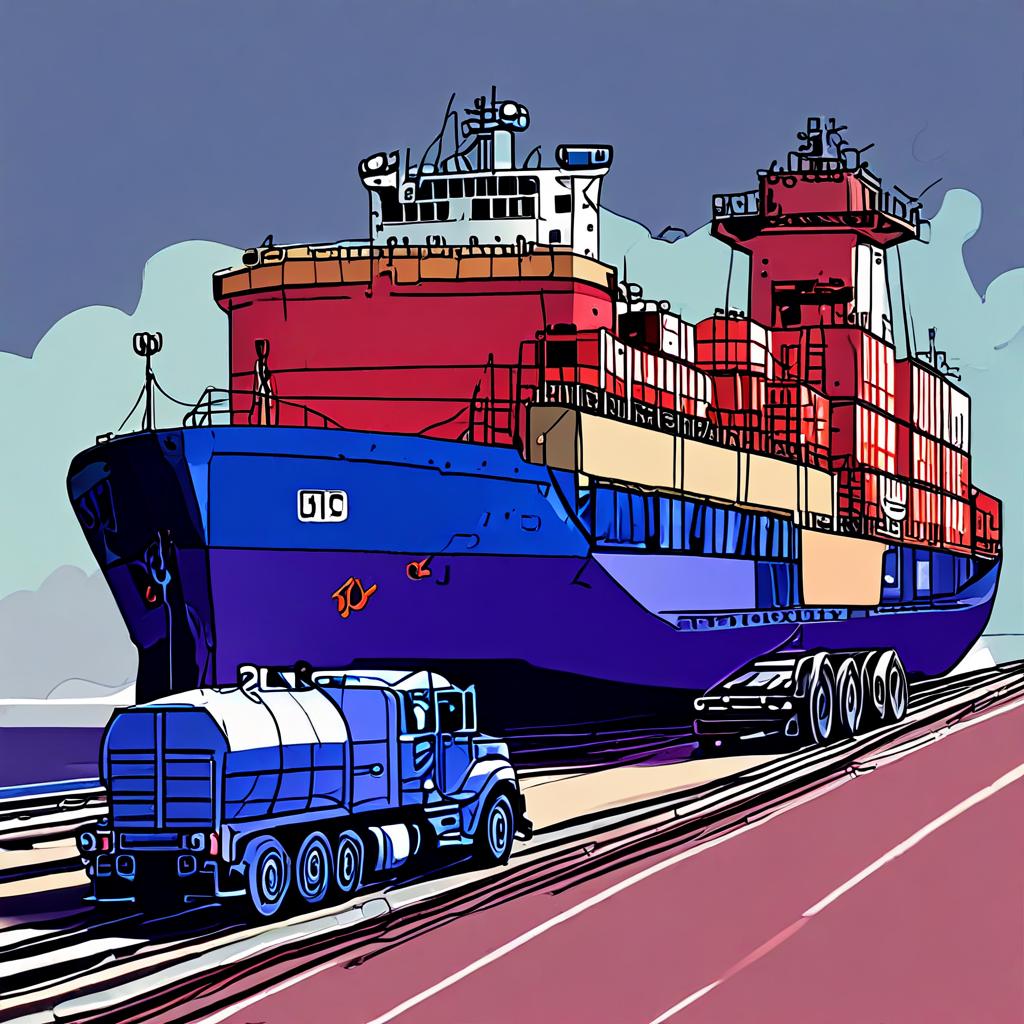
The Russian oil trade has experienced a significant uptick in activity as high freight rates and lowered oil prices have lured more shipping companies into the market. According to recent reports, some of these companies are employing nearly new tankers to transport crude oil, taking advantage of the market conditions and reduced risk of violating export restrictions.

Source 1, published in [Newspaper Name], details how Moscow's crude sales have been affected by the recent market dynamics. The article explains that the soaring freight rates have made it financially viable for shipping companies to enter the Russian oil trade, despite the ongoing challenges posed by lower oil prices and potential export restrictions.

To mitigate the risk of violating export restrictions, some shipping companies are opting to use nearly new tankers in their operations. These tankers, though not yet fully depreciated, are often more fuel-efficient and cost-effective than older vessels. By employing these tankers, shipping companies can maximize their profits while minimizing their risks in the volatile Russian oil market.

This trend has been further bolstered by the recent decline in oil prices, which has made it less financially burdensome for companies to engage in crude oil trading. Though the lower prices may not be ideal for oil producers, they have played a crucial role in encouraging more participants to enter the market and take advantage of the current market conditions.

Furthermore, the revival of the Russian oil trade has also had a positive impact on the shipping industry as a whole. With more tankers being deployed in the market, there has been a noticeable increase in demand for shipping services. This, in turn, has led to higher freight rates, which have become a significant source of revenue for shipping companies.

In conclusion, the Russian oil trade has seen a surge in activity as a result of the current market dynamics. Soaring freight rates and lower oil prices have made it financially viable for shipping companies to enter the market and take advantage of the opportunities it presents. By employing nearly new tankers, these companies can minimize their risks while maximizing their profits, contributing to the overall growth of the Russian oil trade and the shipping industry as a whole.

Source:

Source 1: New Tankers Join Russian Oil Trade as Rates Jump

[Newspaper Name], [Date]

Coverage tools

Sources, context, and related analysis

Visual reasoning

How this briefing, its evidence bench, and the next verification path fit together

A server-rendered QWIKR board that keeps the article legible while showing the logic of the current read, the attached source bench, and the next high-value reporting move.

Cited sources

1

Reasoning nodes

4

Routed paths

3

Next checks

1

Reasoning map

From briefing to evidence to next verification move

SSR · qwikr-flow

Story geography

Where this reporting sits on the map

Use the map-native view to understand what is happening near this story and what adjacent reporting is clustering around the same geography.

Geo context
0.00° N · 0.00° E Mapped story

This story is geotagged, but the nearby reporting bench is still warming up.

Continue in live map mode

Coverage at a Glance

1 source

Compare coverage, inspect perspective spread, and open primary references side by side.

Linked Sources

1

Distinct Outlets

1

Viewpoint Center

Lean Left

Outlet Diversity

Very Narrow
1 source with viewpoint mapping 1 higher-credibility source
Coverage is still narrow. Treat this as an early map and cross-check additional primary reporting.

Coverage Gaps to Watch

  • Single-outlet dependency

    Coverage currently traces back to one domain. Add independent outlets before drawing firm conclusions.

Read Across More Angles

Source-by-Source View

Search by outlet or domain, then filter by credibility, viewpoint mapping, or the most-cited lane.

Showing 1 of 1 cited sources with links.

Left / Lean Left (1)

Bloomberg

New Tankers Join Russian Oil Trade as Rates Jump

Open

bloomberg.com · Jan 22, 2026

Lean Left High Dossier
Fact-checked Real-time synthesis Bias-reduced

This article was synthesized by Fulqrum AI from 1 trusted sources, combining multiple perspectives into a comprehensive summary. All source references are listed below.