Skip to article
AI Pulse
Emergent Story mode

Now reading

Overview

1 / 5 3 min 2 sources Single Outlet
Sources

Story mode

AI PulseSingle OutletBlindspot: Single outlet risk

Federal Reserve Holds Rates Steady Amid Political Turmoil and Venezuelan Leader's Oil Industry Dilemma

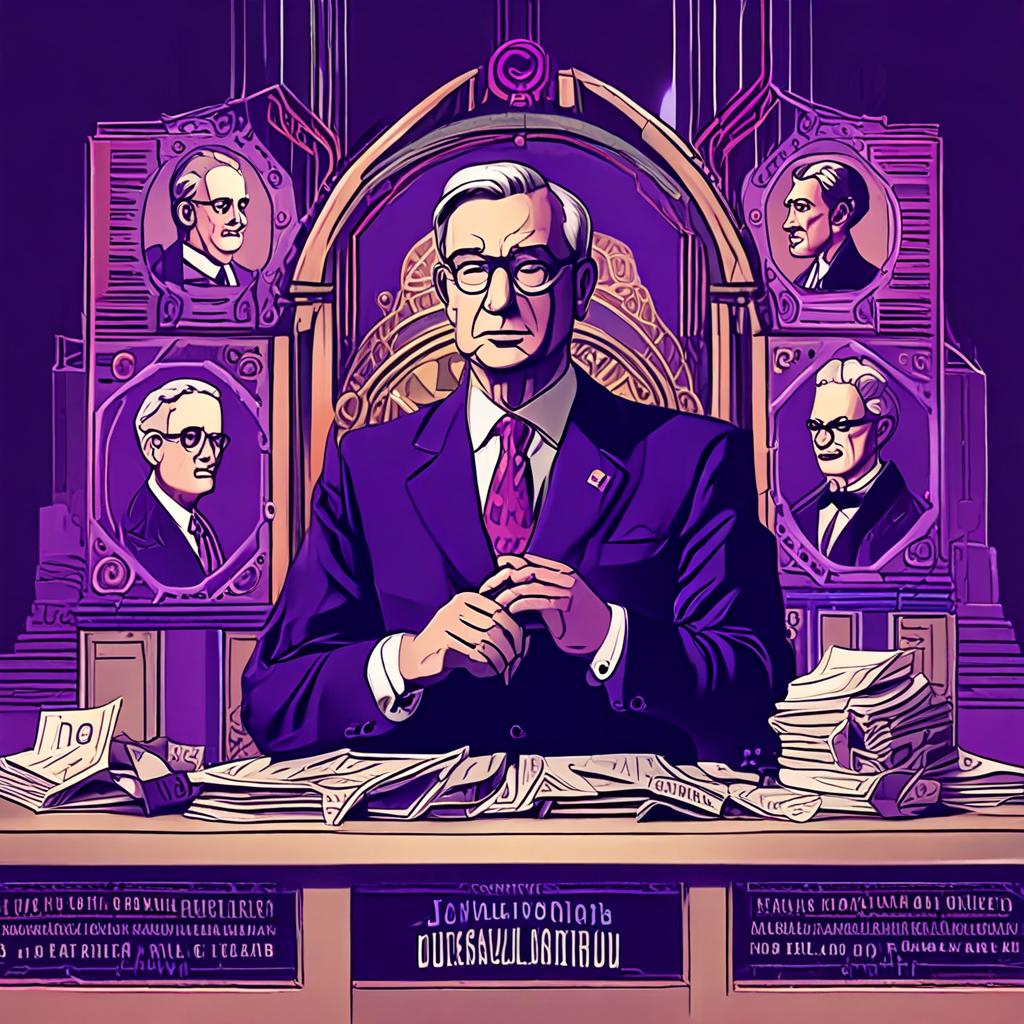
Fed Chair Jerome Powell announced the Federal Reserve's decision to keep interest rates unchanged. This was the first rate decision since Powell received a grand jury subpoena in connection with a Department of Justice (DOJ) investigation into the fed. Meanwhile, Venezuela's interim leader grappled with conflicting demands from foreign investors, the Trump administration, and her own supporters regarding her plans for the oil sector.

Read
3 min
Sources
2 sources
Domains
1

Fed Chair Jerome Powell faced political pressure as he announced the Federal Reserve's decision to keep interest rates unchanged. Meanwhile, Venezuela's interim leader grappled with conflicting demands from foreign...

Story state
Structured developing story
Evidence
Evidence mapped
Coverage
0 reporting sections
Next focus
What comes next

Continue in the field

Focused storyNearby context

Open the live map from this story.

Carry this article into the map as a focused origin point, then widen into nearby reporting.

Leave the article stream and continue in live map mode with this story pinned as your origin point.

  • Open the map already centered on this story.
  • See what nearby reporting is clustering around the same geography.
  • Jump back to the article whenever you want the original thread.
Open live map mode

Source bench

Blindspot: Single outlet risk

Single Outlet

2 cited references across 1 linked domains.

References
2
Domains
1

2 cited references across 1 linked domain. Blindspot watch: Single outlet risk.

  1. Source 1 · bloomberg.com

    Powell Says Fed Can Wait For Data as Rates Stay Steady: Fed Special

  2. Source 2 · bloomberg.com

    Venezuela Leader Pressed From All Sides Over Oil Industry Plans

Open source workbench

Keep reporting

ContradictionsEvent arcNarrative drift

Open the deeper evidence boards.

Take the mobile reel into contradictions, event arcs, narrative drift, and the full source workspace.

  • Scan the cited sources and coverage bench first.
  • Keep a blindspot watch on Single outlet risk.
  • Move from the summary into the full evidence boards.
Open evidence boards

Stay in the reporting trail

Open the evidence boards, source bench, and related analysis.

Jump from the app-style read into the deeper workbench without losing your place in the story.

Open source workbenchBack to AI Pulse
🧠 AI Pulse

Federal Reserve Holds Rates Steady Amid Political Turmoil and Venezuelan Leader's Oil Industry Dilemma

Fed Chair Jerome Powell announced the Federal Reserve's decision to keep interest rates unchanged. This was the first rate decision since Powell received a grand jury subpoena in connection with a Department of Justice (DOJ) investigation into the fed. Meanwhile, Venezuela's interim leader grappled with conflicting demands from foreign investors, the Trump administration, and her own supporters regarding her plans for the oil sector.

Wednesday, January 28, 2026 • 3 min read • 2 source references

  • 3 min read
  • 2 source references

Fed Chair Jerome Powell faced political pressure as he announced the Federal Reserve's decision to keep interest rates unchanged. Meanwhile, Venezuela's interim leader grappled with conflicting demands from foreign investors, the Trump administration, and her own supporters regarding her plans for the oil sector.

CONTENT:

Federal Reserve Stays the Course Amid Political Uncertainty

Federal Reserve Chair Jerome Powell addressed reporters after the Federal Open Market Committee (FOMC) decided to maintain the benchmark interest rate range at 1.5% to 1.75%, despite political turmoil surrounding him. This was the first rate decision since Powell received a grand jury subpoena in connection with a Department of Justice (DOJ) investigation into the fed (Source 1). Two members of the FOMC, Christopher Waller and Stephen Miran, dissented in favor of a quarter-point cut.

Venezuelan Leader's Oil Industry Plans Met with Opposition

On the international stage, Venezuelan interim leader Juan Guaidó faced challenges as she attempted to balance the demands of foreign investors, the Trump administration, and her own socialist supporters with her plans for Venezuela's oil sector. None of these groups was entirely satisfied with her proposals (Source 2).

Navigating Political Waters: Powell and Guaidó

Fed Chair Jerome Powell's announcement came amidst growing political uncertainty. Following the receipt of the grand jury subpoena, Powell reiterated the Fed's commitment to maintaining its independence. Meanwhile, two members of the FOMC, Christopher Waller and Stephen Miran, disagreed and voted in favor of a quarter-point rate cut.

Simultaneously, in Venezuela, interim leader Juan Guaidó faced opposition from all sides as she attempted to revitalize the country's oil industry. Guaidó's plans aimed to attract foreign investment and generate revenue for the cash-strapped country. However, her proposals were met with skepticism from both the Trump administration and her own socialist supporters.

The Trump Administration's Role in Venezuela

The Trump administration has been a vocal critic of the Venezuelan government and has supported Guaidó's efforts to take control of the country. Guaidó's oil industry plans could potentially lead to closer ties with the United States, providing an opportunity for American businesses to invest in Venezuela's oil sector. However, some critics argue that the Trump administration's involvement could complicate matters, potentially hindering Guaidó's ability to address the concerns of her own supporters.

Guaidó's Socialist Supporters

Guaidó's socialist supporters, on the other hand, remain skeptical of her oil industry plans. Many believe that the focus on foreign investment and revenue generation comes at the expense of their socio-economic concerns. The potential privatization of state-owned oil company PDVSA has sparked particular controversy, with some arguing that it would lead to a loss of national control and resources.

Looking Ahead: Challenges and Opportunities

Both Powell and Guaidó face significant challenges in their respective roles. Powell must navigate the political landscape while maintaining the Fed's independence, while Guaidó must balance the demands of her various constituents and revitalize Venezuela's oil industry. The coming months will likely provide further insight into how these leaders address these challenges and the implications for their respective countries.

SOURCES:

Fed Chair Jerome Powell faced political pressure as he announced the Federal Reserve's decision to keep interest rates unchanged. Meanwhile, Venezuela's interim leader grappled with conflicting demands from foreign investors, the Trump administration, and her own supporters regarding her plans for the oil sector.

CONTENT:

Federal Reserve Stays the Course Amid Political Uncertainty

Federal Reserve Chair Jerome Powell addressed reporters after the Federal Open Market Committee (FOMC) decided to maintain the benchmark interest rate range at 1.5% to 1.75%, despite political turmoil surrounding him. This was the first rate decision since Powell received a grand jury subpoena in connection with a Department of Justice (DOJ) investigation into the fed (Source 1). Two members of the FOMC, Christopher Waller and Stephen Miran, dissented in favor of a quarter-point cut.

Venezuelan Leader's Oil Industry Plans Met with Opposition

On the international stage, Venezuelan interim leader Juan Guaidó faced challenges as she attempted to balance the demands of foreign investors, the Trump administration, and her own socialist supporters with her plans for Venezuela's oil sector. None of these groups was entirely satisfied with her proposals (Source 2).

Navigating Political Waters: Powell and Guaidó

Fed Chair Jerome Powell's announcement came amidst growing political uncertainty. Following the receipt of the grand jury subpoena, Powell reiterated the Fed's commitment to maintaining its independence. Meanwhile, two members of the FOMC, Christopher Waller and Stephen Miran, disagreed and voted in favor of a quarter-point rate cut.

Simultaneously, in Venezuela, interim leader Juan Guaidó faced opposition from all sides as she attempted to revitalize the country's oil industry. Guaidó's plans aimed to attract foreign investment and generate revenue for the cash-strapped country. However, her proposals were met with skepticism from both the Trump administration and her own socialist supporters.

The Trump Administration's Role in Venezuela

The Trump administration has been a vocal critic of the Venezuelan government and has supported Guaidó's efforts to take control of the country. Guaidó's oil industry plans could potentially lead to closer ties with the United States, providing an opportunity for American businesses to invest in Venezuela's oil sector. However, some critics argue that the Trump administration's involvement could complicate matters, potentially hindering Guaidó's ability to address the concerns of her own supporters.

Guaidó's Socialist Supporters

Guaidó's socialist supporters, on the other hand, remain skeptical of her oil industry plans. Many believe that the focus on foreign investment and revenue generation comes at the expense of their socio-economic concerns. The potential privatization of state-owned oil company PDVSA has sparked particular controversy, with some arguing that it would lead to a loss of national control and resources.

Looking Ahead: Challenges and Opportunities

Both Powell and Guaidó face significant challenges in their respective roles. Powell must navigate the political landscape while maintaining the Fed's independence, while Guaidó must balance the demands of her various constituents and revitalize Venezuela's oil industry. The coming months will likely provide further insight into how these leaders address these challenges and the implications for their respective countries.

SOURCES:

Coverage tools

Sources, context, and related analysis

Visual reasoning

How this briefing, its evidence bench, and the next verification path fit together

A server-rendered QWIKR board that keeps the article legible while showing the logic of the current read, the attached source bench, and the next high-value reporting move.

Cited sources

2

Reasoning nodes

5

Routed paths

4

Next checks

1

Reasoning map

From briefing to evidence to next verification move

SSR · qwikr-flow

Story geography

Where this reporting sits on the map

Use the map-native view to understand what is happening near this story and what adjacent reporting is clustering around the same geography.

Geo context
0.00° N · 0.00° E Mapped story

This story is geotagged, but the nearby reporting bench is still warming up.

Continue in live map mode

Coverage at a Glance

2 sources

Compare coverage, inspect perspective spread, and open primary references side by side.

Linked Sources

2

Distinct Outlets

1

Viewpoint Center

Lean Left

Outlet Diversity

Very Narrow
2 sources with viewpoint mapping 2 higher-credibility sources
Coverage is still narrow. Treat this as an early map and cross-check additional primary reporting.

Coverage Gaps to Watch

  • Single-outlet dependency

    Coverage currently traces back to one domain. Add independent outlets before drawing firm conclusions.

Read Across More Angles

Source-by-Source View

Search by outlet or domain, then filter by credibility, viewpoint mapping, or the most-cited lane.

Showing 2 of 2 cited sources with links.

Left / Lean Left (2)

Bloomberg

Powell Says Fed Can Wait For Data as Rates Stay Steady: Fed Special

Open

bloomberg.com · Jan 28, 2026

Lean Left High Dossier
Bloomberg

Venezuela Leader Pressed From All Sides Over Oil Industry Plans

Open

bloomberg.com · Jan 28, 2026

Lean Left High Dossier
Fact-checked Real-time synthesis Bias-reduced

This article was synthesized by Fulqrum AI from 2 trusted sources, combining multiple perspectives into a comprehensive summary. All source references are listed below.