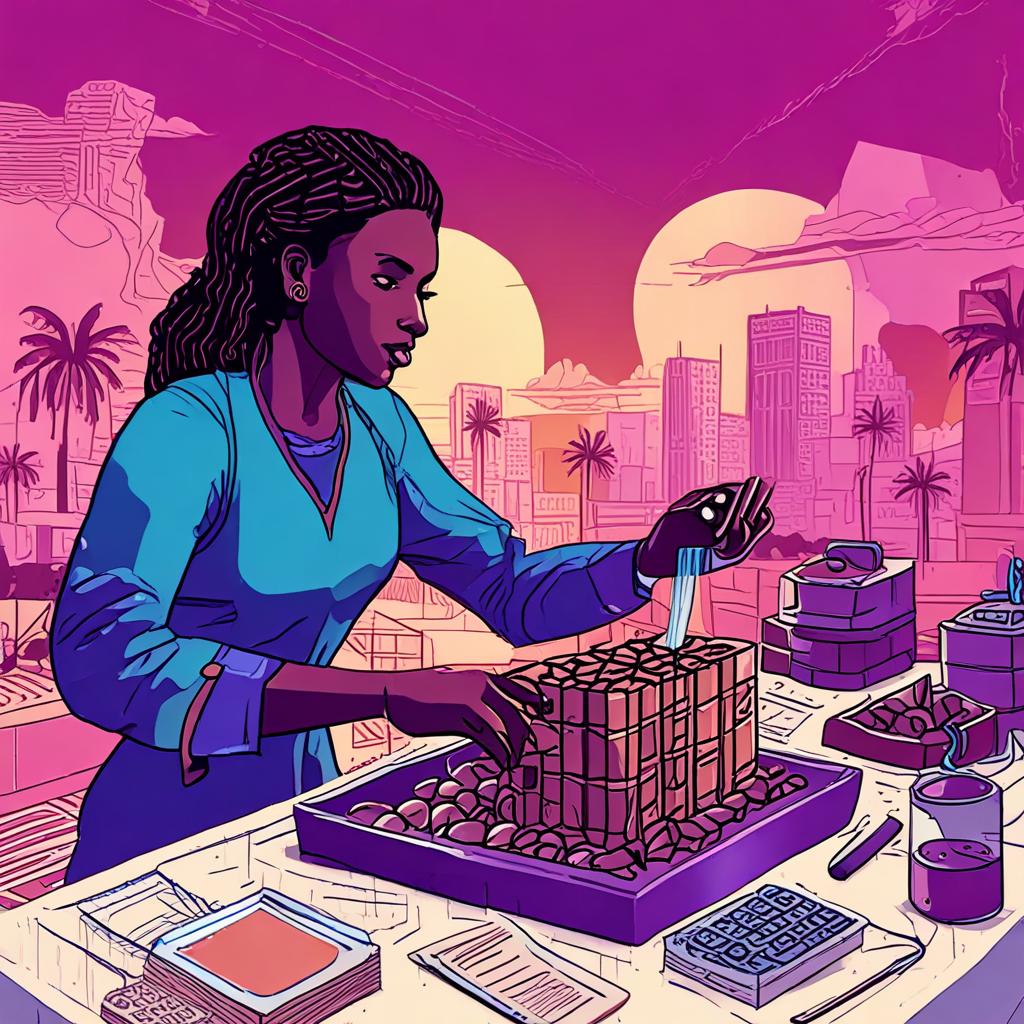
The global chocolate industry is facing a significant challenge as climate change disrupts cocoa production in West Africa, the world's largest supplier. Extreme heat, erratic rainfall, and disease threaten the livelihoods of farmers and the sustainability of chocolate production. These conditions, driven by climate change, are pushing the industry to look for alternative sources.
Enter Ecuador. This South American country, long known for its bananas, is rapidly expanding its cocoa production and positioning itself as a key alternative supplier. According to Bloomberg, Ecuador's cocoa output has grown by 25% since 2016, making it the world's sixth-largest producer.
The reasons for this surge in production are manifold. Climate change is making conditions in West Africa increasingly difficult for cocoa farming. Extreme heat and erratic rainfall are damaging crops and making it harder for farmers to grow healthy cocoa beans. Diseases like frosty pod rot and witches' broom are also taking a toll.
In contrast, Ecuador's climate is proving to be more conducive to cocoa production. The country's Pacific coast has a tropical climate with consistent rainfall and relatively stable temperatures. This makes it an attractive alternative for chocolate companies looking to secure a stable supply of cocoa beans.
However, it's not just the climate that's making a difference. Genetics and farming practices are also playing a role. Ecuadorian cocoa farmers are using new varieties of cocoa plants that are more resilient to disease and better suited to local conditions. They're also using sustainable farming practices, like agroforestry, which help to improve soil health and reduce the use of agrochemicals.
These efforts are paying off. According to Ivan Ontaneda, a cocoa exporter based in Guayaquil, Ecuador's cocoa is of higher quality than that produced in West Africa. This makes it more attractive to chocolate companies, who are willing to pay a premium for beans that will yield a better-tasting chocolate.
Farmers like Johann Zeller are seeing the benefits of these investments. Zeller, who farms near Guayaquil, has seen his yields increase by up to 30% since he started using new cocoa varieties and sustainable farming practices. He's also seen an improvement in the quality of his beans, which has helped him to command a better price.
Chocolatiers, too, are taking notice. Oded Brenner, the founder of Brenner's Artisan Chocolates in Texas, has been using Ecuadorian cocoa in his chocolate for several years. He's seen a marked improvement in the quality of the beans and the chocolate they produce. "Ecuadorian cocoa has a richer, more complex flavor than West African cocoa," he said. "It's a game-changer for the chocolate industry."
The shift towards Ecuadorian cocoa is not without its challenges, however. The country's infrastructure is not yet able to support the volume of production that's needed to make a significant dent in the global market. There are also concerns about the social and environmental impact of the expansion of cocoa production.
Despite these challenges, though, the trend towards Ecuadorian cocoa is unlikely to reverse. As climate change continues to disrupt cocoa production in West Africa, and as consumers demand more sustainable and ethically produced chocolate, Ecuador is poised to become an increasingly important player in the global chocolate industry.
Sources:
Bloomberg, "Ecuador’s Cocoa Boom Shows How Climate Change Is Redrawing Agriculture"
Climate Central, "Climate Change Threatens Cocoa Production in West Africa"
Cocoa Board, "Ecuador: A New Player in the Global Cocoa Market?"
The global chocolate industry is facing a significant challenge as climate change disrupts cocoa production in West Africa, the world's largest supplier. Extreme heat, erratic rainfall, and disease threaten the livelihoods of farmers and the sustainability of chocolate production. These conditions, driven by climate change, are pushing the industry to look for alternative sources.
Enter Ecuador. This South American country, long known for its bananas, is rapidly expanding its cocoa production and positioning itself as a key alternative supplier. According to Bloomberg, Ecuador's cocoa output has grown by 25% since 2016, making it the world's sixth-largest producer.
The reasons for this surge in production are manifold. Climate change is making conditions in West Africa increasingly difficult for cocoa farming. Extreme heat and erratic rainfall are damaging crops and making it harder for farmers to grow healthy cocoa beans. Diseases like frosty pod rot and witches' broom are also taking a toll.
In contrast, Ecuador's climate is proving to be more conducive to cocoa production. The country's Pacific coast has a tropical climate with consistent rainfall and relatively stable temperatures. This makes it an attractive alternative for chocolate companies looking to secure a stable supply of cocoa beans.
However, it's not just the climate that's making a difference. Genetics and farming practices are also playing a role. Ecuadorian cocoa farmers are using new varieties of cocoa plants that are more resilient to disease and better suited to local conditions. They're also using sustainable farming practices, like agroforestry, which help to improve soil health and reduce the use of agrochemicals.
These efforts are paying off. According to Ivan Ontaneda, a cocoa exporter based in Guayaquil, Ecuador's cocoa is of higher quality than that produced in West Africa. This makes it more attractive to chocolate companies, who are willing to pay a premium for beans that will yield a better-tasting chocolate.
Farmers like Johann Zeller are seeing the benefits of these investments. Zeller, who farms near Guayaquil, has seen his yields increase by up to 30% since he started using new cocoa varieties and sustainable farming practices. He's also seen an improvement in the quality of his beans, which has helped him to command a better price.
Chocolatiers, too, are taking notice. Oded Brenner, the founder of Brenner's Artisan Chocolates in Texas, has been using Ecuadorian cocoa in his chocolate for several years. He's seen a marked improvement in the quality of the beans and the chocolate they produce. "Ecuadorian cocoa has a richer, more complex flavor than West African cocoa," he said. "It's a game-changer for the chocolate industry."
The shift towards Ecuadorian cocoa is not without its challenges, however. The country's infrastructure is not yet able to support the volume of production that's needed to make a significant dent in the global market. There are also concerns about the social and environmental impact of the expansion of cocoa production.
Despite these challenges, though, the trend towards Ecuadorian cocoa is unlikely to reverse. As climate change continues to disrupt cocoa production in West Africa, and as consumers demand more sustainable and ethically produced chocolate, Ecuador is poised to become an increasingly important player in the global chocolate industry.
Sources:
Bloomberg, "Ecuador’s Cocoa Boom Shows How Climate Change Is Redrawing Agriculture"
Climate Central, "Climate Change Threatens Cocoa Production in West Africa"
Cocoa Board, "Ecuador: A New Player in the Global Cocoa Market?"