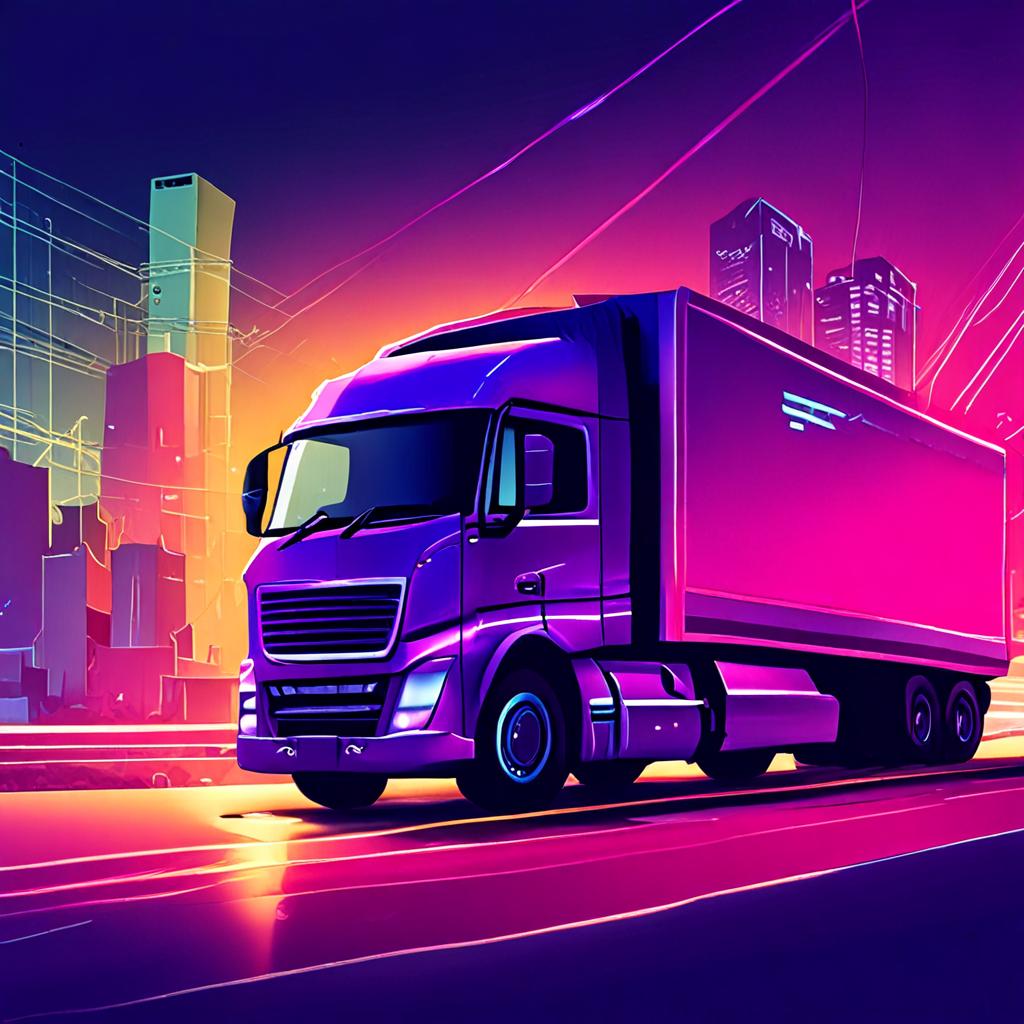
China's shift towards electric trucks is posing a significant threat to the demand for liquefied natural gas (LNG), as sales of electric vehicles (EVs) surpassed those of gas-powered trucks for the first time last year.
CONTENT:
Story mode
China is the world's largest market for electric vehicles (EVs), and its growth has been remarkable. In 2020, sales of new energy vehicles (NEVs) made up over 40% of all passenger vehicle sales in China. This trend is expected to continue, as the Chinese government has set a target of having only new energy Vehicles on the road by 2035.
China's shift towards electric trucks is posing a significant threat to the demand for liquefied natural gas (LNG), as sales of electric vehicles (EVs) surpassed those of gas-powered trucks for the first time last year....
Story step 1
China is the world's largest market for electric vehicles (EVs), and its growth has been remarkable. In 2020, sales of new energy vehicles (NEVs),...
China is the world's largest market for electric vehicles (EVs), and its growth has been remarkable. In 2020, sales of new energy vehicles (NEVs), which include battery-electric and plug-in hybrid vehicles, made up over 40% of all passenger vehicle sales in China, according to the China Association of Automobile Manufacturers. This surge in EV demand has been driven by several factors, including government incentives, infrastructure development, and growing consumer preference for cleaner transportation.
Continue in the field
Carry this article into the map as a focused origin point, then widen into nearby reporting.
Leave the article stream and continue in live map mode with this story pinned as your origin point.
Choose the next useful branch
Follow the same reader branch options as the desktop workspace, tuned for a faster mobile decision.
Story step 2
One of the most significant shifts in the Chinese automotive market has been the rapid adoption of electric trucks. In 2021, for the first time,...
One of the most significant shifts in the Chinese automotive market has been the rapid adoption of electric trucks. In 2021, for the first time, sales of electric trucks surpassed those of gas-powered trucks, according to data from the China Passenger Car Association. This trend is expected to continue, as the Chinese government has set a target of having only new energy vehicles on the road by 2035.
This shift towards electric trucks is posing a significant threat to the demand for liquefied natural gas (LNG), as natural gas is a common fuel for heavy-duty trucks. China is the world's largest importer of LNG, and its demand for the fuel has been a major driver of the global LNG market. However, the growing popularity of electric trucks could change this dynamic.
Story step 3
Despite the challenges, there are still opportunities for LNG in China's transportation sector. Natural gas can be used as a transition fuel for...
Despite the challenges, there are still opportunities for LNG in China's transportation sector. Natural gas can be used as a transition fuel for industries and sectors that are difficult to electrify, such as long-haul trucking and shipping. Additionally, China is investing heavily in hydrogen fuel cell technology, which could provide an alternative to both diesel and battery-electric trucks.
However, the shift towards electric trucks is a clear sign that the demand for LNG in China's transportation sector is likely to decline. This trend is expected to continue as battery technology improves, charging infrastructure expands, and the cost of electric vehicles falls.
Story step 4
China's rapid adoption of electric trucks is a significant development for the global LNG market. As the world's largest importer of LNG, China's...
China's rapid adoption of electric trucks is a significant development for the global LNG market. As the world's largest importer of LNG, China's demand for the fuel has been a major driver of the market. However, the shift towards electric trucks is a clear sign that this demand is likely to decline. While there are still opportunities for LNG in China's transportation sector, the future looks increasingly electric.
Sources:
China Association of Automobile Manufacturers. (2021). Sales of new energy vehicles accounted for over 40% of China's passenger vehicle sales in 2020. Retrieved from https://www.caam.org.cn/chinese/press/show.aspx?id=13592
China Passenger Car Association. (2021). Sales of electric trucks surpassed those of gas-powered trucks for the first time in 2021. Retrieved from https://www.chinapca.com.cn/info/1009/24849.html
International Energy Agency. (2021). China's LNG imports set new record in 2020. Retrieved from https://www.iea.org/news/china-s-lng-imports-set-new-record-in-2020
Reuters. (2021). China aims to have only new energy vehicles on the road by 2035. Retrieved from https://www.reuters.com/business/autos-transportation/china-aims-to-have-only-new-energy-vehicles-on-the-road-by-2035-2021-03-25/
Cited sources
1 cited references across 1 linked domains.
1 cited reference across 1 linked domain. Source gap watch: Single-outlet source gap.
China’s Electric Truck Boom Poses New Threat to Demand for LNG
For sponsors
Reach readers choosing AI Pulse coverage with 1 cited reference and a clear next-step path.
Package the article, desk, and newsletter path around readers already choosing this context.
Keep reporting
Take the mobile reel into contradictions, event arcs, narrative drift, and the full source workspace.
Stay in the reporting trail
Jump from the app-style read into the deeper source path without losing your place in the story.
China is the world's largest market for electric vehicles (EVs), and its growth has been remarkable. In 2020, sales of new energy vehicles (NEVs) made up over 40% of all passenger vehicle sales in China. This trend is expected to continue, as the Chinese government has set a target of having only new energy Vehicles on the road by 2035.
China's shift towards electric trucks is posing a significant threat to the demand for liquefied natural gas (LNG), as sales of electric vehicles (EVs) surpassed those of gas-powered trucks for the first time last year.
CONTENT:
China is the world's largest market for electric vehicles (EVs), and its growth has been remarkable. In 2020, sales of new energy vehicles (NEVs), which include battery-electric and plug-in hybrid vehicles, made up over 40% of all passenger vehicle sales in China, according to the China Association of Automobile Manufacturers. This surge in EV demand has been driven by several factors, including government incentives, infrastructure development, and growing consumer preference for cleaner transportation.
Advertisement
Ad slot: in-article
One of the most significant shifts in the Chinese automotive market has been the rapid adoption of electric trucks. In 2021, for the first time, sales of electric trucks surpassed those of gas-powered trucks, according to data from the China Passenger Car Association. This trend is expected to continue, as the Chinese government has set a target of having only new energy vehicles on the road by 2035.
This shift towards electric trucks is posing a significant threat to the demand for liquefied natural gas (LNG), as natural gas is a common fuel for heavy-duty trucks. China is the world's largest importer of LNG, and its demand for the fuel has been a major driver of the global LNG market. However, the growing popularity of electric trucks could change this dynamic.
Despite the challenges, there are still opportunities for LNG in China's transportation sector. Natural gas can be used as a transition fuel for industries and sectors that are difficult to electrify, such as long-haul trucking and shipping. Additionally, China is investing heavily in hydrogen fuel cell technology, which could provide an alternative to both diesel and battery-electric trucks.
However, the shift towards electric trucks is a clear sign that the demand for LNG in China's transportation sector is likely to decline. This trend is expected to continue as battery technology improves, charging infrastructure expands, and the cost of electric vehicles falls.
China's rapid adoption of electric trucks is a significant development for the global LNG market. As the world's largest importer of LNG, China's demand for the fuel has been a major driver of the market. However, the shift towards electric trucks is a clear sign that this demand is likely to decline. While there are still opportunities for LNG in China's transportation sector, the future looks increasingly electric.
Sources:
China Association of Automobile Manufacturers. (2021). Sales of new energy vehicles accounted for over 40% of China's passenger vehicle sales in 2020. Retrieved from https://www.caam.org.cn/chinese/press/show.aspx?id=13592
China Passenger Car Association. (2021). Sales of electric trucks surpassed those of gas-powered trucks for the first time in 2021. Retrieved from https://www.chinapca.com.cn/info/1009/24849.html
International Energy Agency. (2021). China's LNG imports set new record in 2020. Retrieved from https://www.iea.org/news/china-s-lng-imports-set-new-record-in-2020
Reuters. (2021). China aims to have only new energy vehicles on the road by 2035. Retrieved from https://www.reuters.com/business/autos-transportation/china-aims-to-have-only-new-energy-vehicles-on-the-road-by-2035-2021-03-25/
Coverage tools
Source path
A compact source board that keeps the article legible while showing what supports the current read and what would most improve the coverage next.
Cited sources
1
Reading points
4
Source links
3
Next checks
1
Source map
Current briefing
China is the world's largest market for electric vehicles (EVs), and its growth has been remarkable. In 2020, s…
Open briefingSource context
The story is currently grounded in 1 cited source from the live source list.
Next reporting move
A thin source list means the next independent source can materially shift confidence and framing.
Source 01
China’s Electric Truck Boom Poses New Threat to Demand for LNG
Open sourceStory geography
Use the map-native view to understand what is happening near this story and what adjacent reporting is clustering around the same geography.
This story is geotagged. Nearby related reporting is not ready yet, so the live map is the best next context check.
Continue in live map modeCompare coverage, inspect perspective spread, and open primary references side by side.
Linked Sources
1
Distinct Outlets
1
Viewpoint Center
Lean Left
Outlet Diversity
Very NarrowSingle-outlet dependency
Coverage currently traces back to one domain. Add independent outlets before drawing firm conclusions.
Inspect Bloomberg
Open the source dossier to inspect provenance, peer outlets, and lane context before relying on a single article.
Open dossier →Check the live source-balance watch
Frontier can tell you whether this story’s lane has too few sources, one dominant format, or missing stronger anchors right now.
Open frontier →Audit how this story fits your mix
Reader Lens now tracks source-dossier and lane visits, so you can see whether this story expands your overall reading behavior or reinforces a rut.
Open Reader Lens →Search by outlet or domain, then filter by credibility, viewpoint mapping, or the most-cited lane.
Showing 1 of 1 cited sources with links.
Emergent News uses automated assistance to gather, compare, and summarize coverage from 1 cited sources. Review the source list below before relying on the story.