Alabama Prison Activists Transferred to Solitary Confinement Amid Funding Crisis and Immigration Enforcement Controversy
Three activist inmates in Alabama were moved to solitary confinement, raising concerns of retaliation. Simultaneously, in Washington D.C., the US Senate scrambled to reach a funding deal amid a partial shutdown and the controversial deaths of two U.S. citizens killed by federal agents.
Same facts, different depth. Choose how you want to read:
Three activist inmates in Alabama were moved to solitary confinement, raising concerns of retaliation. Simultaneously, in Washington D.C., the US Senate scrambled to reach a funding deal amid a partial shutdown and the controversial deaths of two U.S. citizens killed by federal agents.
EXCERPT: In Alabama, three activist inmates featured in an Oscar-nominated documentary about prison conditions were moved to solitary confinement, raising concerns of retaliation. Simultaneously, in Washington D.C., the US Senate scrambled to reach a funding deal amid a partial shutdown and the controversial deaths of two U.S. citizens killed by federal agents.
CONTENT:
Two significant events unfolded in the United States last week, with far-reaching implications for social justice, human rights, and government funding. In Alabama, three activist inmates who had been vocal about inhumane prison conditions and were featured in an Oscar-nominated documentary were transferred to solitary confinement, prompting concerns of retaliation. Simultaneously, in Washington D.C., the US Senate grappled with a government funding crisis, with the partial shutdown deadline looming, all while dealing with the controversial deaths of two U.S. citizens killed by federal agents.
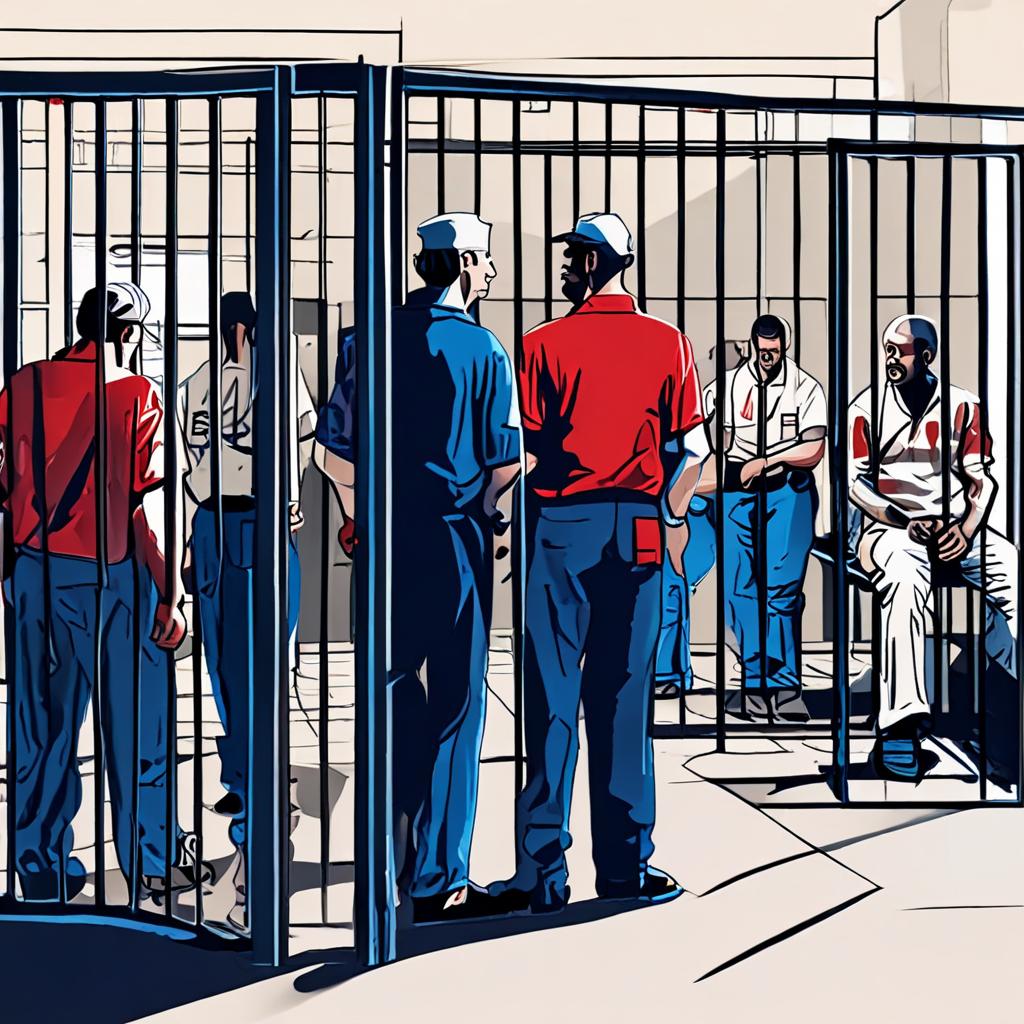
The Alabama prison system moved three well-known inmate activists—Robert Earl Council, Melvin Ray, and Raoul Poole—from their existing prisons to solitary confinement at the Kilby correctional facility outside Montgomery, their lawyers confirmed. The transfers came just two weeks ago and have left their families fearing for their loved ones' safety. The activists had previously spoken out about the problems within the prison system and were prominent figures in the 2022 prison strike.
Family members of the three men expressed deep concern about the move to solitary confinement, describing it as "a form of retaliation" against their loved ones for their outspokenness about the prison system. The Alabama Department of Corrections has not commented on the matter.
Meanwhile, in Washington D.C., the US Senate was scrambling to reach an agreement on a government funding package as the deadline for a partial shutdown loomed at midnight. The impasse was caused by the killings of two U.S. citizens, Alex Pretti and Renee Good, by federal agents in Minneapolis. The deaths prompted Senate Democrats to block passage of a measure funding the Department of Homeland Security (DHS), which oversees Immigration and Customs Enforcement (ICE). This jeopardized a broader legislative package intended to continue funding through September for a slew of government departments.
The deaths of Pretti and Good, both U.S. citizens, occurred amid a surge of immigration enforcement agents in Minneapolis. The circumstances surrounding their deaths have not been fully disclosed, but they have raised questions about the use of force by federal agents and the potential for racial bias.
Senate Majority Leader Chuck Schumer called for an investigation into the killings and demanded answers from the Trump administration. The White House has maintained that the deaths were isolated incidents and that the administration would continue its mass deportation campaign.
As the Senate worked to reach a funding deal, the partial shutdown loomed, potentially impacting millions of Americans who rely on government services. The situation highlights the complex interplay between social justice issues, government funding, and immigration policy.
Sources:
- "Alabama Solution activist solitary confinement: Robert Earl Council, Melvin Ray and Raoul Poole" (The Guardian, 30 Jan. 2026)
- "Senate funding deal in jeopardy as Democrats block DHS measure" (The Guardian, 30 Jan. 2026)
Fact-checked
Real-time synthesis
Bias-reduced
This article was synthesized by Fulqrum AI from 2 trusted sources, combining multiple perspectives into a comprehensive summary. All source references are listed below.
Source Perspective Analysis
Sources (2)
About Bias Ratings: Source bias positions are based on aggregated data from AllSides, Ad Fontes Media, and MediaBiasFactCheck. Ratings reflect editorial tendencies, not the accuracy of individual articles. Credibility scores factor in fact-checking, correction rates, and transparency.
Emergent News aggregates and curates content from trusted sources to help you understand reality clearly.
Powered by Fulqrum , an AI-powered autonomous news platform.
